On the evening of June 13, 2026, the banquet hall of Putian Haiyuan International Hotel was brilliantly lit and warm. Earlier that day, the launch ceremony of the “Respect Mazu, Tour Putian” series of events concluded successfully, with multiple cultural cooperation projects taking root; at night, the Peace Family Banquet and Cultural Performance themed “Cultural Treasures, Shared Hearts” warmly commenced. Representatives from Mazu temples across the Taiwan Strait, overseas Chinese community guests, cultural peers, and intangible cultural heritage inheritors gathered together to share their hometown feelings over a family banquet and convey the Mazu cultural lineage through song and dance, discussing heritage and praying for peace in a harmonious and warm atmosphere.
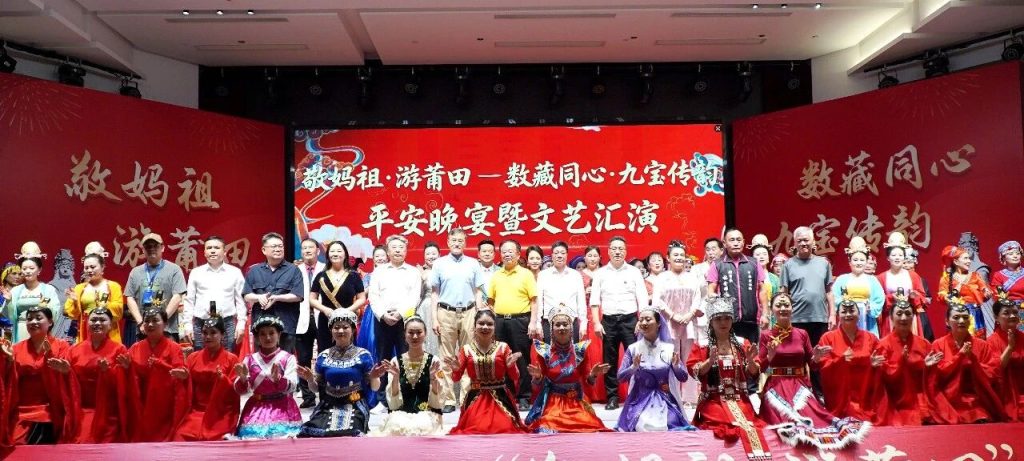
This event was hosted by the China Mazu Culture Exchange Association, with strong support from Jixiang Jiubao Cultural Communication (Putian) Co., Ltd. The banquet hall was adorned with Mazu cultural elements, creating a solemn yet warm atmosphere; guests from afar gathered to converse, filling the space with a harmonious vibe of ‘people of Mazu from all over the world share the same roots.’
1. Family Feast Begins: With Rituals, We Share Our Common Roots
The dinner opened with a grand chorus of ‘Singing for the Motherland’ as a warm-up. As the familiar melody played, all the guests softly joined in, their heartfelt patriotism flowing through the gathering. After the song, the opening dance ‘Success at First Attempt’ took the stage, with its lively rhythm and agile movements igniting the atmosphere and symbolizing hopes for the smooth progress of the series of events and the inheritance of Mazu culture.
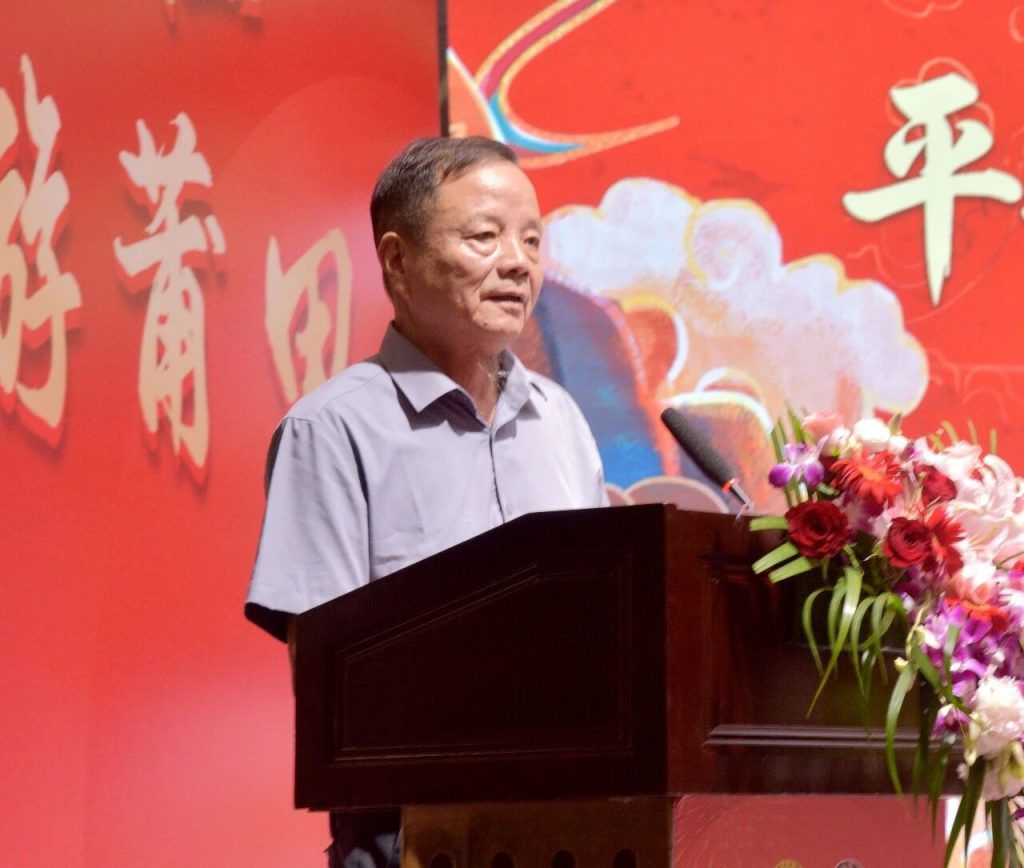
As the warm-up program concluded and the lights dimmed, Cai Chengwu took the stage to host the pre-dinner agenda. He warmly welcomed all guests on behalf of the organizers, expressed sincere gratitude to Jixiang Jiubao Cultural Communication (Putian) Co., Ltd. for their support, and emphasized the core of this peace family feast: to connect people through Mazu and family gatherings, allowing compatriots from both sides of the strait and friends from around the world to share their hometown feelings and seek consensus in a relaxed atmosphere, enabling cultural cooperation to take root and deepen the bonds of friendship.
Subsequently, three guests took turns to share their thoughts on stage.
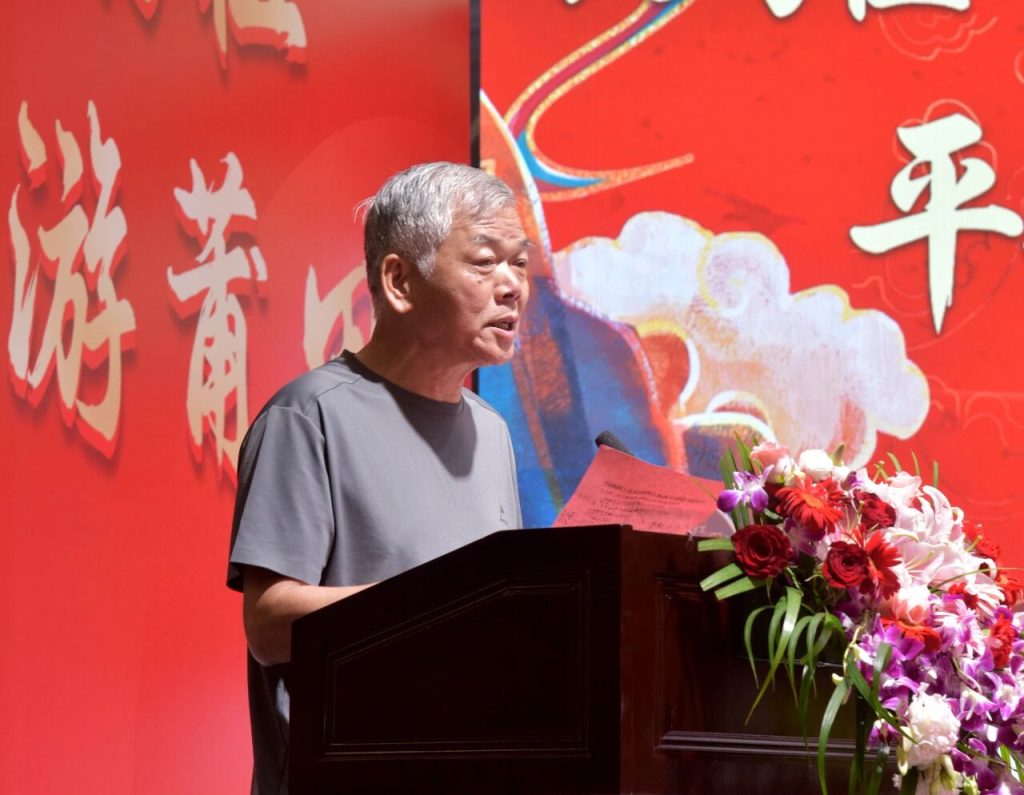
Huang Yuming, former Secretary-General of the Putian Municipal CPPCC and a cadre of the China Mazu Culture Exchange Association, first delivered a speech. He reviewed the fruitful results of the daytime launch ceremony: the centralized awarding of the China Mazu Culture Station, the official launch of the first “Peace Goddess Cup” Global Mazu Belief Cultural and Creative Competition, and the cooperation on Mazu digital collectibles, laying a solid foundation for the inheritance of Mazu culture and cross-strait exchanges. He stated that since the launch of the “Respect Mazu, Visit Putian” brand, it has always used culture as a bridge and cultural tourism as a means, deeply cultivating cross-strait folk exchanges. In the future, it will continue to enhance this characteristic brand, aiding in the integrated development of both sides and the upgrade of Putian’s cultural tourism industry.
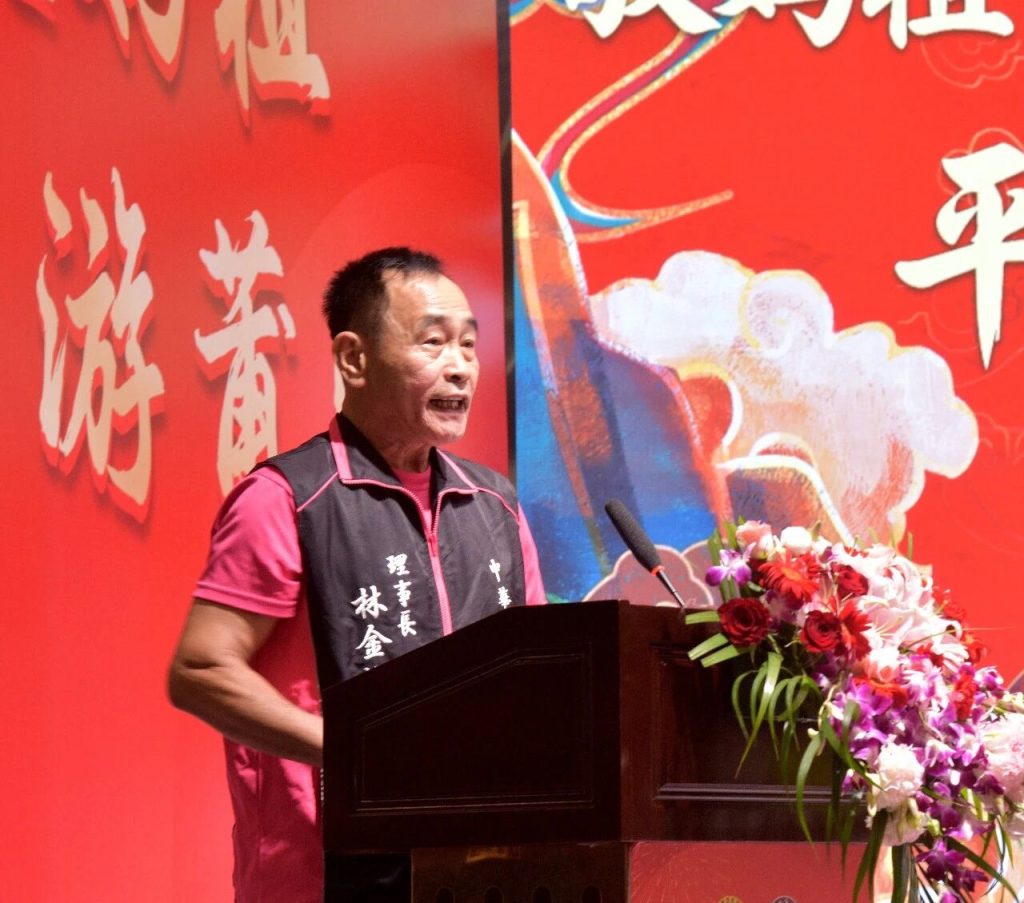
Lin Jinhui, Chairman of the Taiwan Chinese Shengzhao Mazu Cultural Exchange Association, spoke as a representative of Taiwanese guests. He expressed that every time he steps on the land of Mazu’s hometown, he feels a sense of returning home; the temples on both sides share the same roots, and the beliefs originate from the same source. The repeated gatherings across the sea only bring their hearts closer together. He stated that in the future, the association will continue to organize Taiwanese Mazu devotees to return to their ancestral home, promoting regular interactions between temples on both sides, ensuring that Mazu culture remains an unbreakable emotional bond for compatriots across the strait.
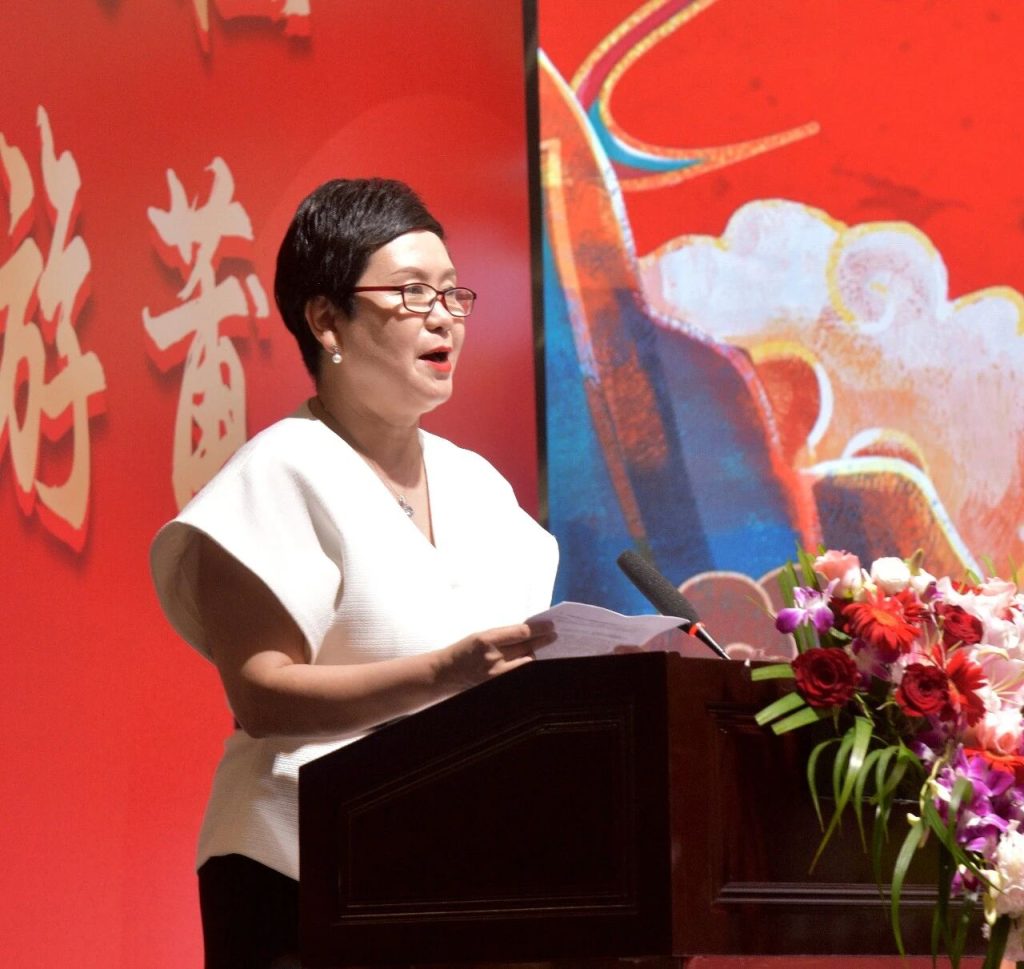
Liu Hui, Executive President of the Australia-China Entrepreneurs Association, spoke on behalf of overseas Chinese. She introduced the achievements of the association in promoting cultural and economic exchanges between China and Australia over the years, discussing the profound influence of Mazu beliefs in the overseas Chinese community—overseas Mazu temples are not only places for blessings but also spiritual homes for expatriates to maintain their hometown connections and mutual support. The spirit of “virtue, kindness, and great love” has long been integrated into the principles of overseas Chinese. She expressed that overseas Chinese are willing to act as a bridge for Mazu culture to go global, bringing Putian’s cultural tourism resources and Mazu cultural products to a broader international stage, allowing more people to understand the charm of traditional Chinese culture.
After the three guests finished their speeches, the audience welcomed the most ceremonial toast segment. Cai Chengwu invited all guests to stand and raise their peace cups: “First, to respect Mazu’s great love that benefits the world, granting peace to all seas; second, to wish the country peace and the people well, and prosperity for China; third, may the two sides of the strait share the same heart and source, and may friends enjoy health year after year!” With three toasts, the sound of clinking glasses resonated throughout the venue, and everyone shared the peace wine, elevating the warm atmosphere to a climax.
2. Artistic Rhythm: Dance and Song Showcase Cultural Charms
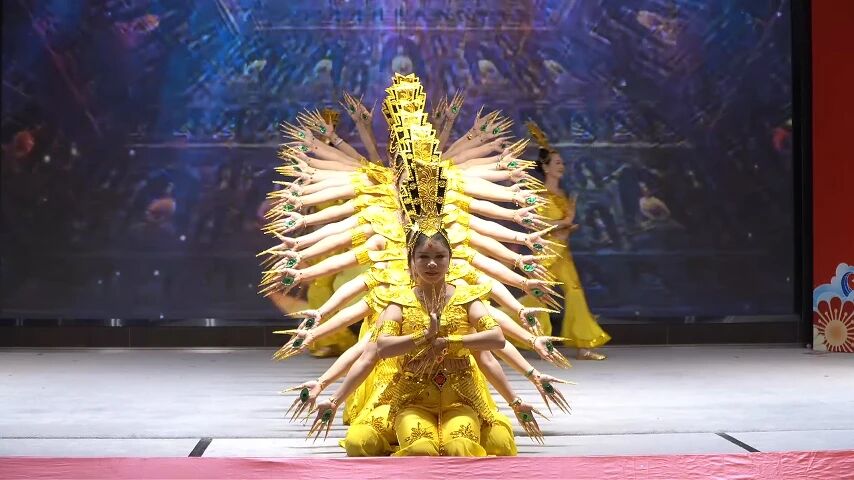
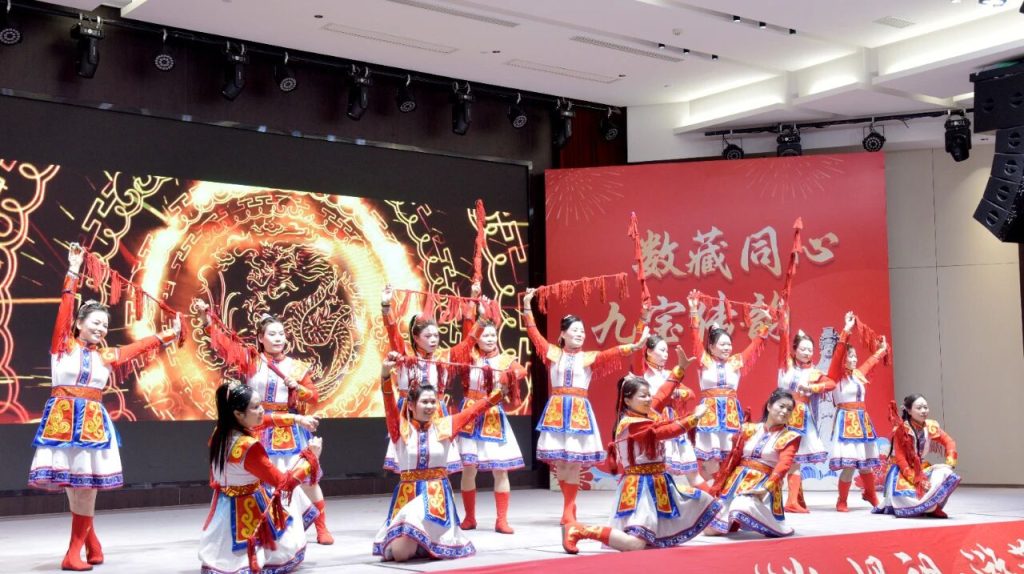
With the toast completed, the Peace Family Banquet officially commenced, and the cultural performance began simultaneously. Hosts Xiao Feng and Dan Fang took the stage together, blending national sentiment, folk characteristics, and cross-strait warmth throughout the performance, presenting over ten programs that offered the guests a show rich in cultural depth and audiovisual beauty.
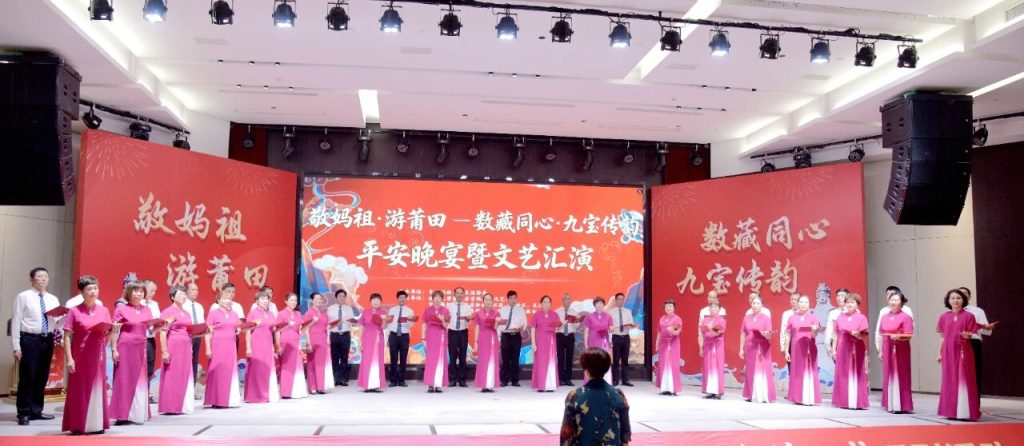
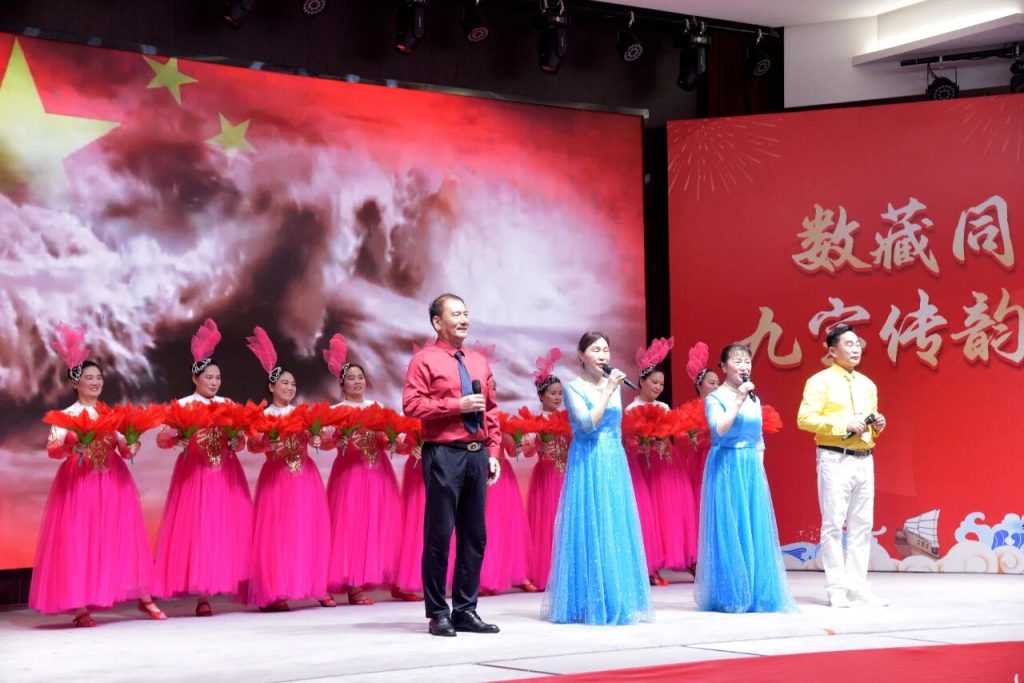
The national sentiment was the prominent theme throughout the performance. The classical dance “Grand Tang Feast” showcased the grandeur of the Tang Dynasty with graceful movements, immersing the audience in the profound essence of traditional Chinese aesthetics; the song and dance “My Country and I” resonated with the audience as soon as the melody began, with guests softly singing along, their patriotic hearts warming the atmosphere; the closing pieces “Love My China” and “Towards Revival” were stirring, with all performers taking a bow together, elevating the atmosphere of unity.
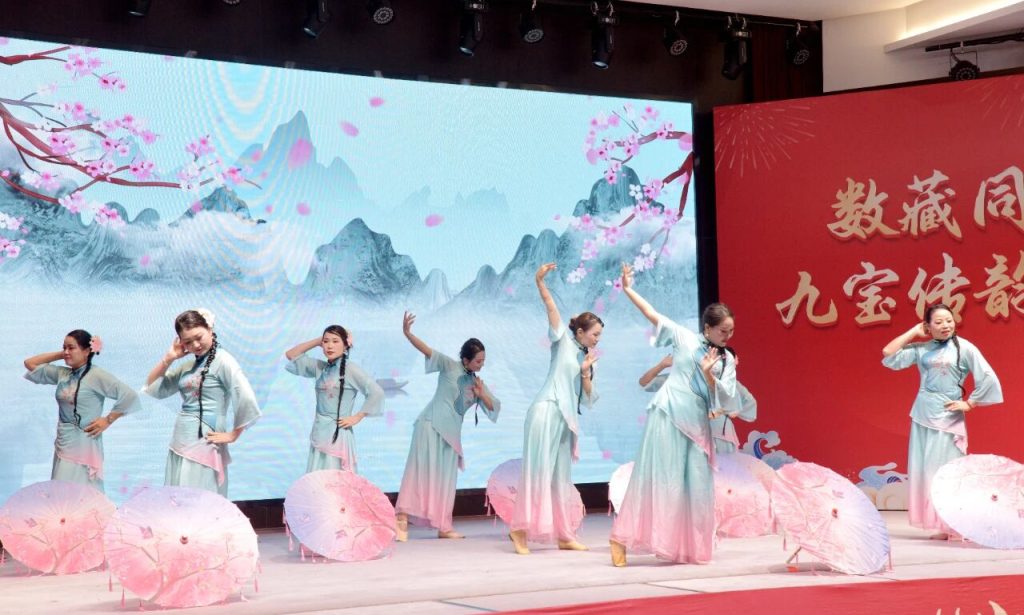
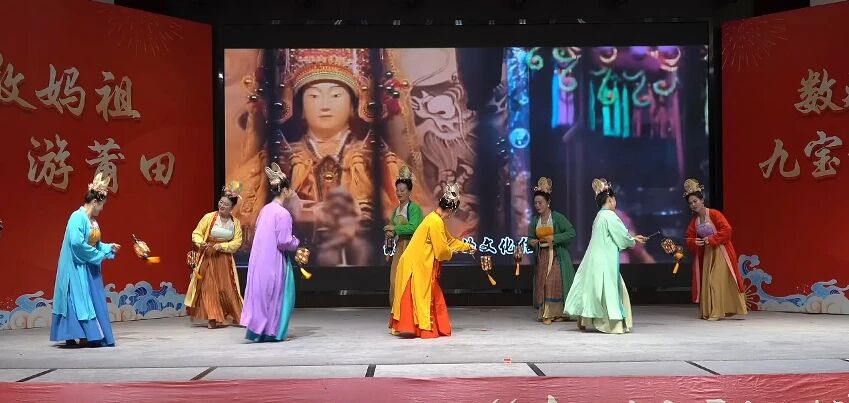
Mazu culture and the characteristics of Fujian were the core highlights of the entire performance. The dance “Song Rhythm and Fujian Style” elegantly depicted the refined essence of Putian’s thousand-year cultural lineage; “Meizhou Pearl Play” drew from the legends of Mazu in Meizhou, with lively dance movements portraying Mazu’s blessings over the seas, allowing the audience to immerse themselves in the cultural landscape of Meizhou Island; the dance “Cross-Strait Affection and Mazu Connection” used delicate body language to express the unbreakable blood ties across the strait, interpreting the profound meaning of Mazu’s beliefs that connect both sides, moving many Taiwanese guests.
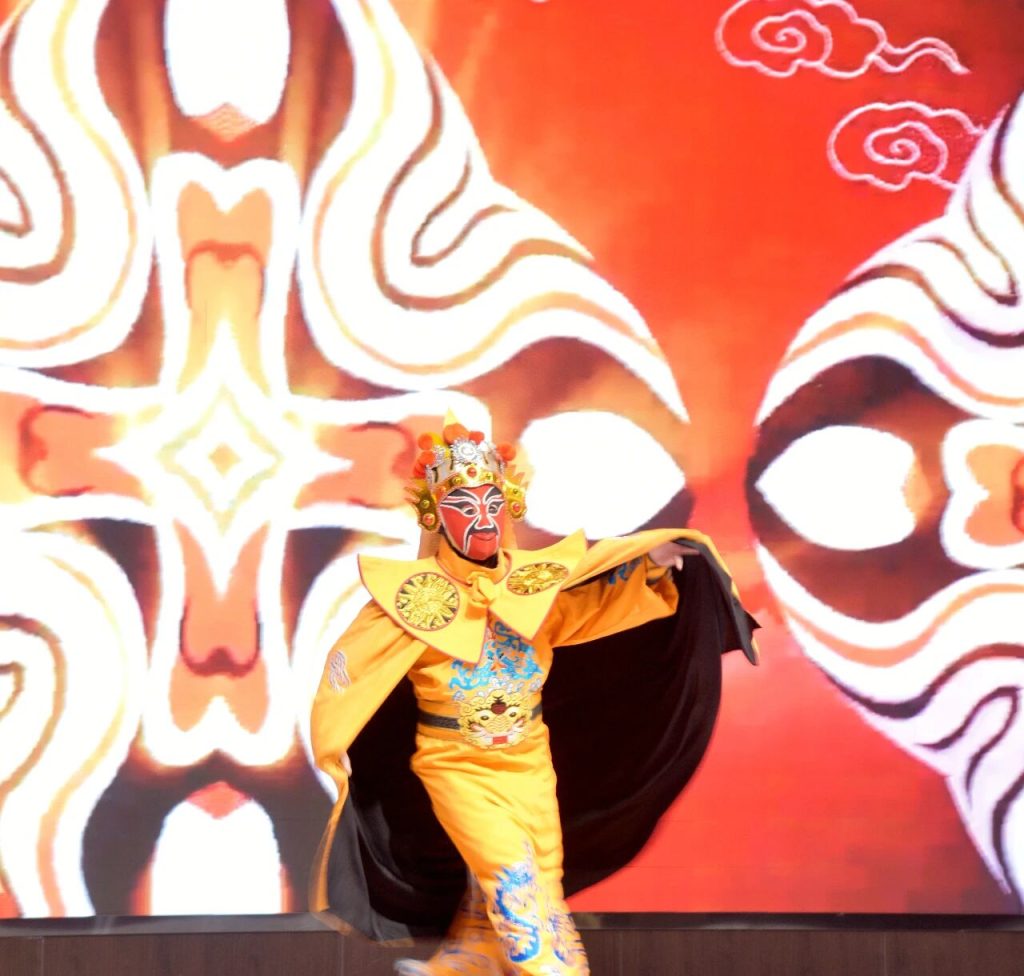
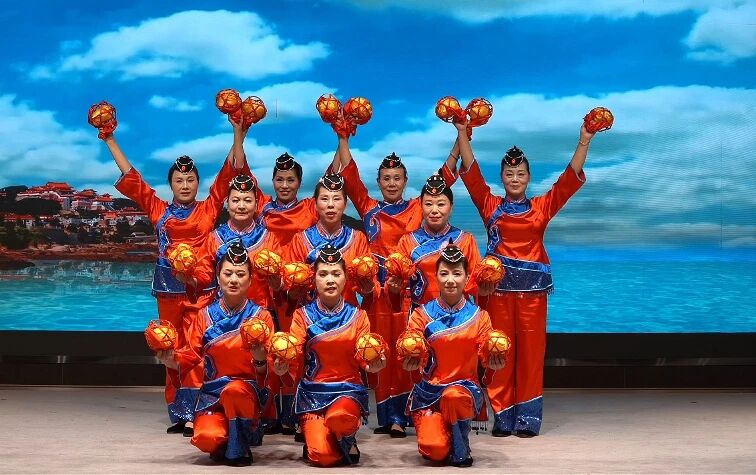
The diverse styles of programs kept the performance exciting. Taiwanese singer Bai Fenghuang and mainland original musician Si Si collaborated on stage, their voices crossing the strait to express the resonance and warmth among compatriots; the Sichuan opera “Face Changing” showcased the charm of national essence, with the rapidly changing masks drawing gasps of admiration from the audience; the local Putian temple members performed the comedy “Welcoming the Bride,” using down-to-earth folk scenes and humorous performances to keep the audience laughing, showcasing the vibrant spirit of folk culture. Additionally, programs such as umbrella dance, Miao dance, and impersonation shows varied in style, enriching the performance layers and allowing guests to enjoy the banquet time in a relaxed and joyful atmosphere.
3. Blending Local Sentiment: Building Bridges Through Banquets
During the intermissions, the warmth of the family banquet flowed throughout the venue. Representatives from both sides exchanged commemorative tokens, sharing experiences in belief inheritance and temple operations; overseas compatriots and local cultural creators gathered to discuss cooperation paths for Mazu cultural exports; many guests exchanged contact information, planning future visits and deepening cooperation. Amidst the clinking of glasses, there were no barriers of unfamiliarity, only the closeness and understanding among those who admire Mazu.
A Taiwanese guest remarked that the signing ceremony and award presentation during the day established a framework for cooperation, while the Peace Family Banquet that night brought hearts closer together. Cultural exchange has never been about cold agreements, but rather about face-to-face interactions and heartfelt communications—this is the most touching aspect of Mazu culture: it always brings together strangers through culture. Overseas compatriots also expressed that no matter how far they go, Mazu’s hometown will always be their spiritual root, and this family banquet felt like a family gathering, warm and reassuring.
This Peace Family Banquet is a warm extension of the “Respect Mazu, Tour Putian” series of activities. If the daytime launch ceremony and award presentation laid the framework for the inheritance of Mazu culture, then the evening’s family banquet injected emotion and warmth into this cooperation. The core spirit of Mazu’s “virtue, kindness, and great love” is never abstract words, but is materialized in gatherings, greetings, and exchanges, forming emotional connections among compatriots across the strait and overseas Chinese.