——Mid-Autumn Festival and National Day Symposium of the China Quyi Association
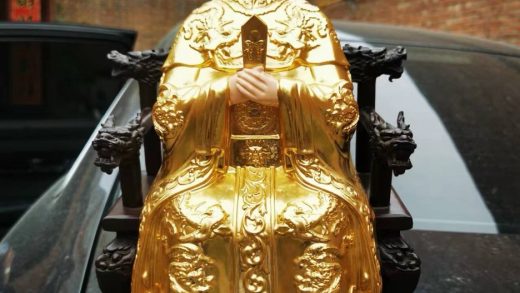
And the Initial Exploration of High-Quality Dissemination of Mazu Culture through Remote Sensing Applications

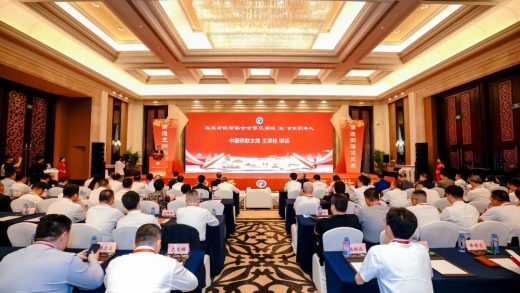
On the eve of National Day, the China Quyi Association organized a special cultural exchange symposium focusing on the dissemination of overseas quyi performance culture, promoting Mazu culture through innovative forms of quyi with remote sensing applications, and fostering interaction between Chinese and international rap arts. The event gathered industry experts, mainstream media, and representatives from the international cultural dissemination field to explore new paths and models for the high-quality international dissemination of Chinese traditional culture. The symposium was hosted by Zhang Chi, Deputy Secretary-General and Director of the Youth Department of the China Quyi Association, with participation from Vice President Ge Qinglong, Deputy Secretary-General Qian Kai, and Deputy Secretary-General of the Youth Department Mu Suxia.
The China Quyi Association, initiated by Master Jiang Kun and officially established in 1992, is a national academic organization registered with the Ministry of Civil Affairs and overseen by the Ministry of Culture and Tourism. It evolved from the Chinese Academy of Arts’ Research Center for Chinese Rap Arts. The association is dedicated to academic research, artistic inheritance, talent cultivation, domestic popularization, and international cultural exchange in the field of quyi, adhering to the mission of “uniting quyi practitioners and promoting the national quyi industry” and the development concept of “people’s quyi for the people.” It has long been committed to exploring the cultural core of quyi, revitalizing traditional quyi arts, and promoting Chinese quyi culture internationally, serving as a core professional platform for the inheritance and innovation of Chinese quyi and the dissemination of outstanding traditional Chinese culture.

At this symposium, Luo Fujin, General Manager of World Headlines and the World Mazu Culture Alliance China Operations Company; Zhang Shuzhi from People’s Daily; and Chen Liang, a scholar in aerospace ideological and political education from the Cultural China Media Company, participated in discussions on the pain points, advantages, and innovative directions of cross-border dissemination of traditional culture, gathering consensus and strength for the integration of quyi culture and Mazu culture in international markets.

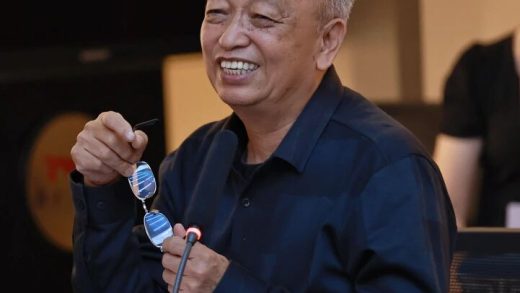
During the discussion, the introduction of Master Jiang Kun naturally evoked admiration for his years of dedication in taking groups abroad to integrate traditional Chinese quyi arts with world cultures.

Representatives at the symposium, based on the broader context of cultural dissemination, exchanged in-depth insights on the current status and opportunities of quyi arts’ overseas dissemination, leveraging their platform advantages and industry resources. Participants unanimously agreed that quyi is a vibrant carrier of outstanding traditional Chinese culture, with its performance style being easily understandable and impactful, combining artistry with accessibility, suitable for international dissemination across languages and regions; while Mazu culture is a core treasure of Chinese maritime culture, embodying the spirit of goodness, harmony, and inclusiveness, serving as an important link for connecting the emotions of overseas Chinese and facilitating international cultural exchanges.