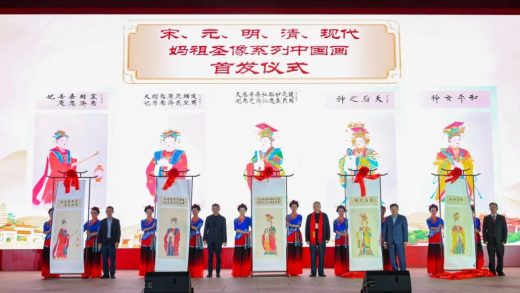
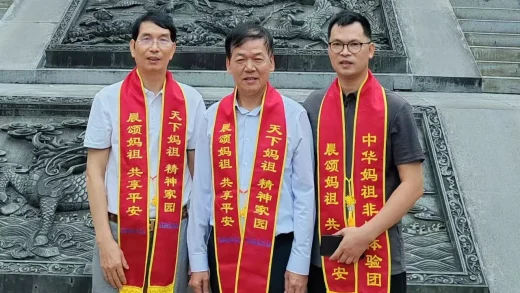
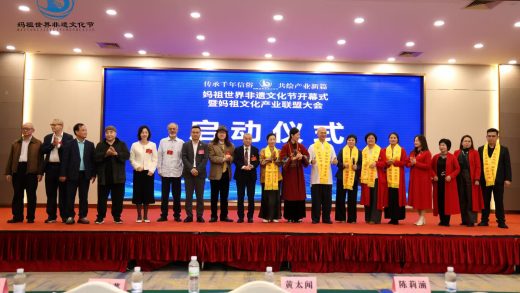
On November 2nd, Beijing witnessed a significant moment for Mazu culture with the grand opening of the Beijing Mazu Cultural Center. This new cultural landmark not only symbolizes the continuation of Mazu’s spirit in the modern metropolis but also showcases the rich and far-reaching influence of Chinese culture. The event attracted many experts and scholars in the cultural field, gathering to celebrate the renewed prominence of Mazu culture in the capital and the beginning of a new chapter in its heritage.
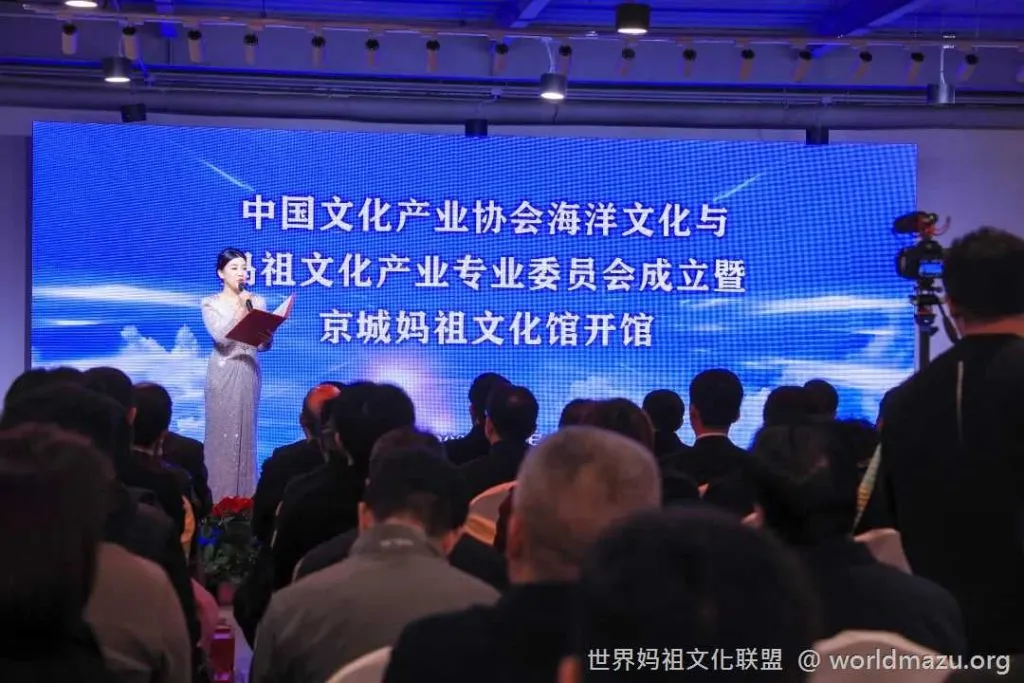
The opening ceremony, held from November 1st to 2nd, featured the official unveiling of the Beijing Mazu Cultural Center and the announcement of the establishment of the Chinese Cultural Industry Association’s Ocean and Mazu Culture Industry Committee. Distinguished guests included: Bu Xianqun, member of the Chinese Academy of Social Sciences and director of the Institute of Ancient History; Lin Guoliang, former executive vice president of the China Mazu Culture Exchange Association; Jin Peng, Secretary-General of the Chinese Cultural Industry Association; Wu Haiduan, Secretary of the Meizhou Island Party Committee; Wang Shuguang, professor and doctoral advisor at Peking University; Dou Weilong, head of Taiwan Strait Publishing House; Lin Mingtai, dean of the School of Business at Putian University; Chen Erquan, former deputy inspector of Fujian Maritime Safety Administration; Liu Xiuquan, chairman of Beijing Yifa Industrial Trade Development Co.; Chen Zhijun, deputy director of the Meizhou Island Administrative Committee; Lin Jinzhan, chairman of Meizhou Mazu Ancestral Temple, and Secretary-General Li Shaoxia.
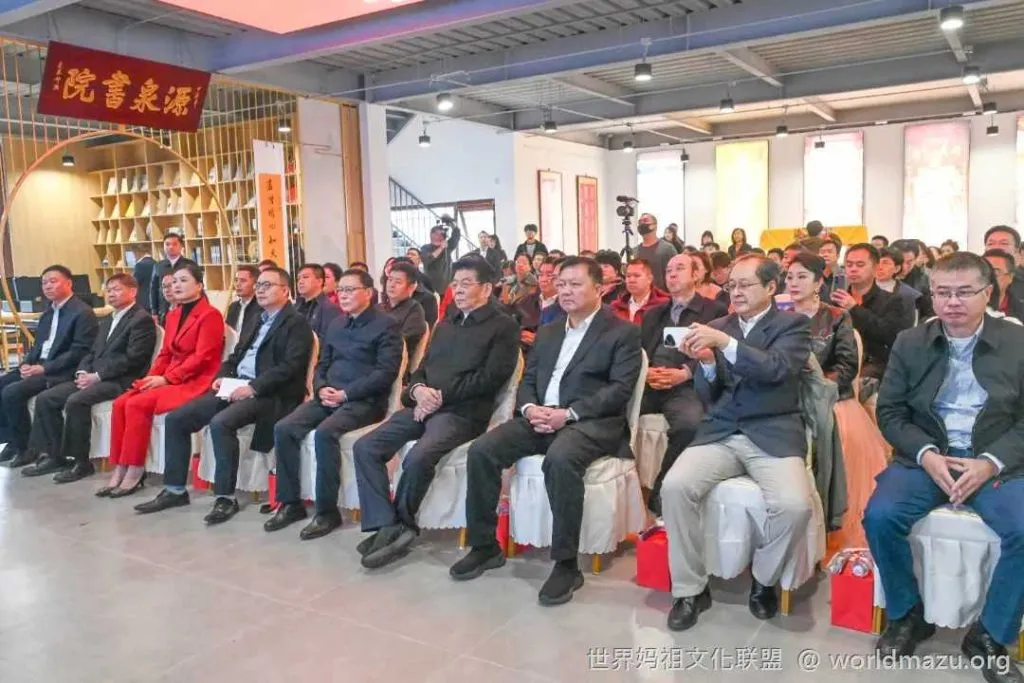
Inauguration Ceremony Marks a New Era of Cultural Heritage
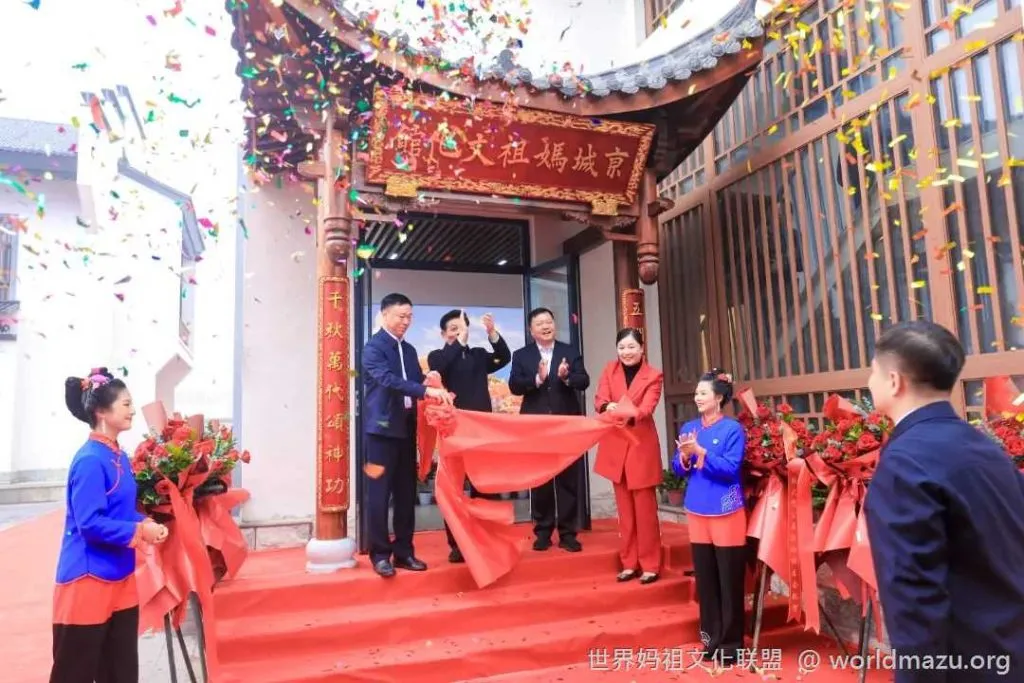
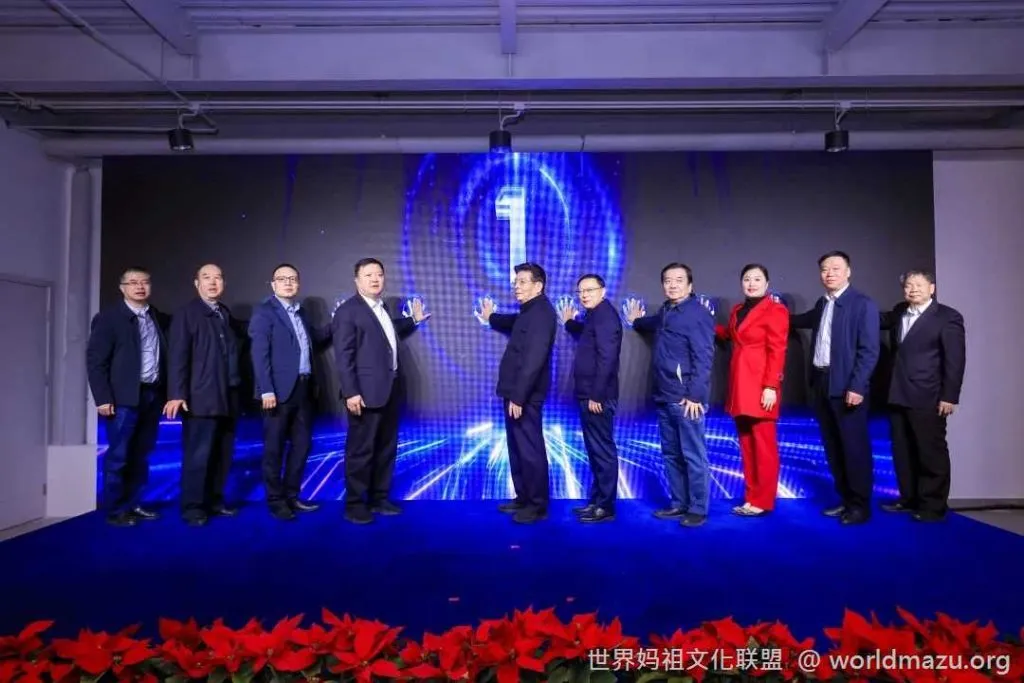
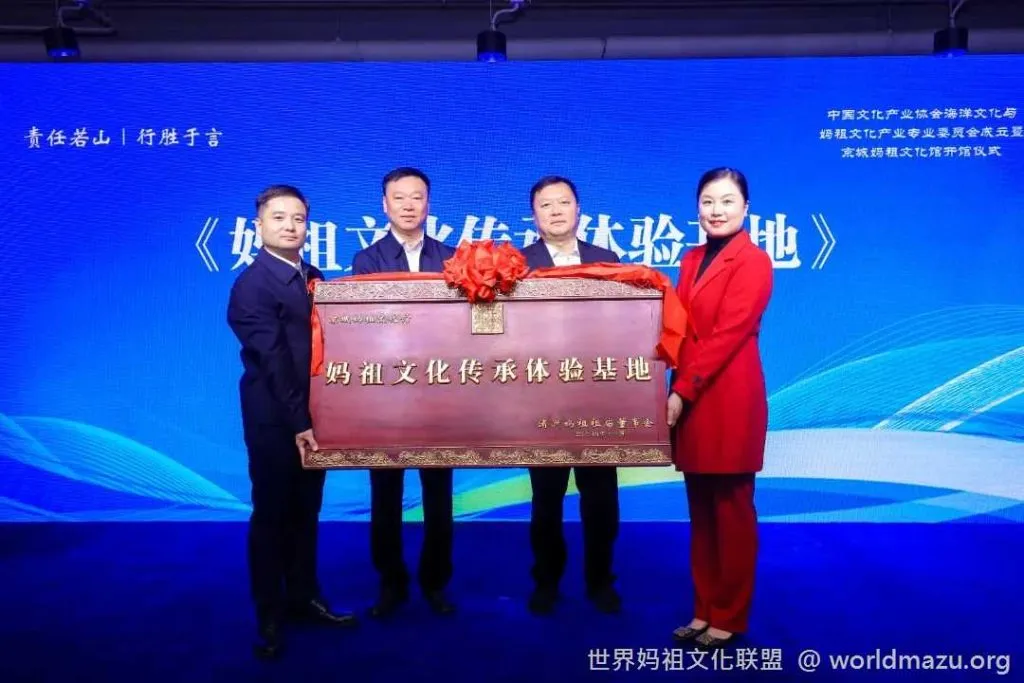
On the morning of November 2nd, Lin Guoliang, Wu Haiduan, Li Shaoxia, and Liu Xiuquan unveiled the plaque for the Beijing Mazu Cultural Center. Bu Xianqun, Jin Peng, Wu Haiduan, Li Shaoxia, and Liu Xiuquan delivered speeches, highlighting that the center’s establishment signifies a new chapter for Mazu culture in the capital and provides an important platform for the promotion of Chinese cultural heritage. Subsequently, Jin Peng and Lin Mingtai jointly unveiled the plaque for the “Ocean and Mazu Culture Industry Committee,” marking a new development in cultural industries.
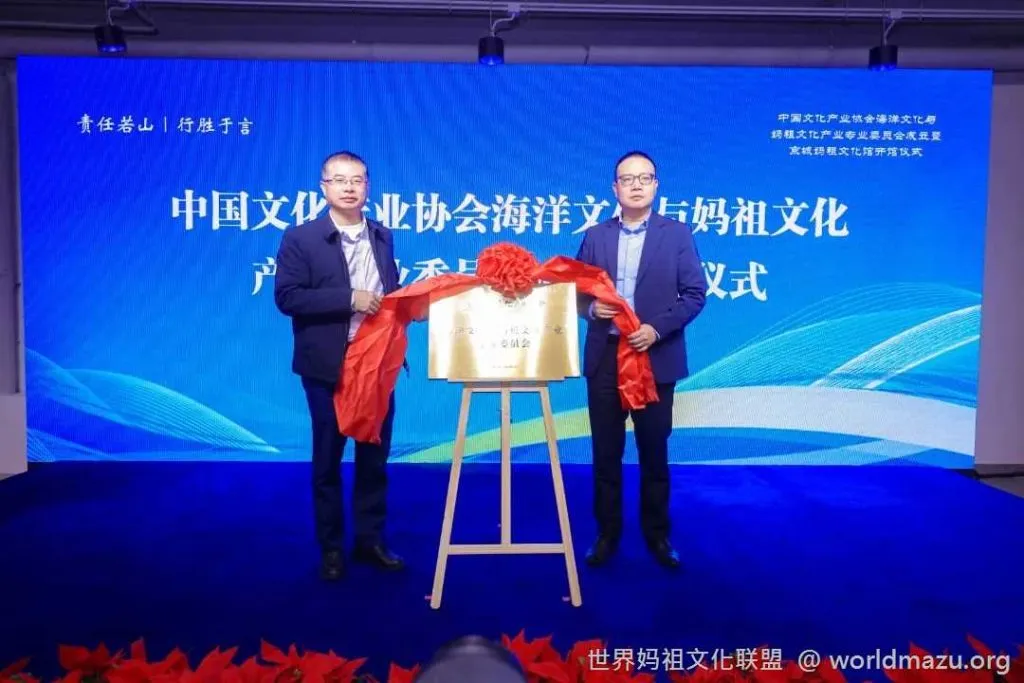
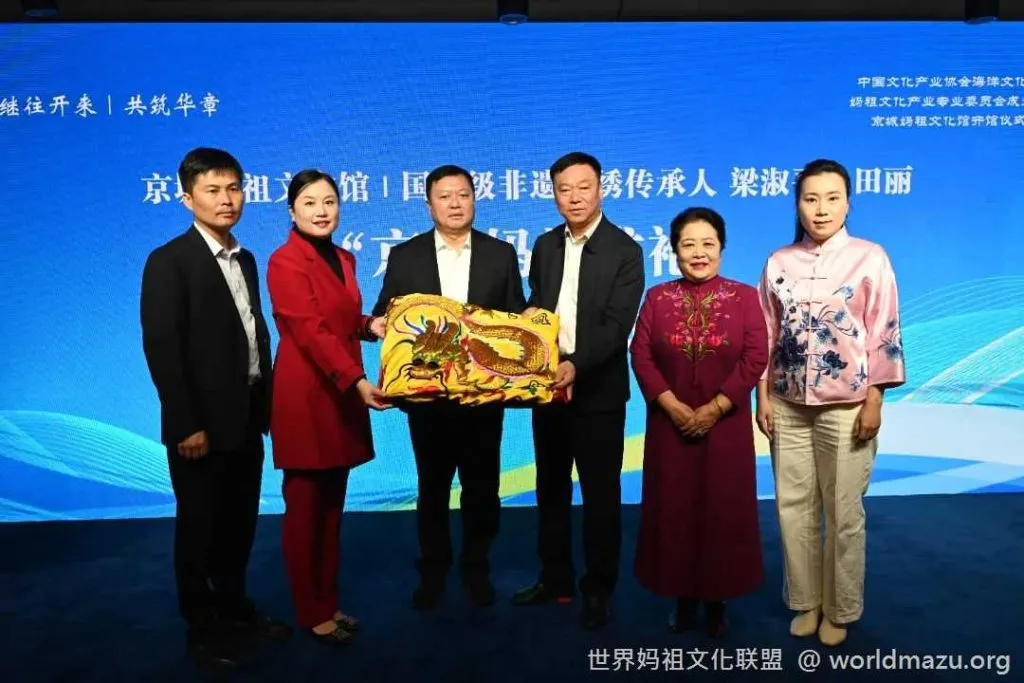
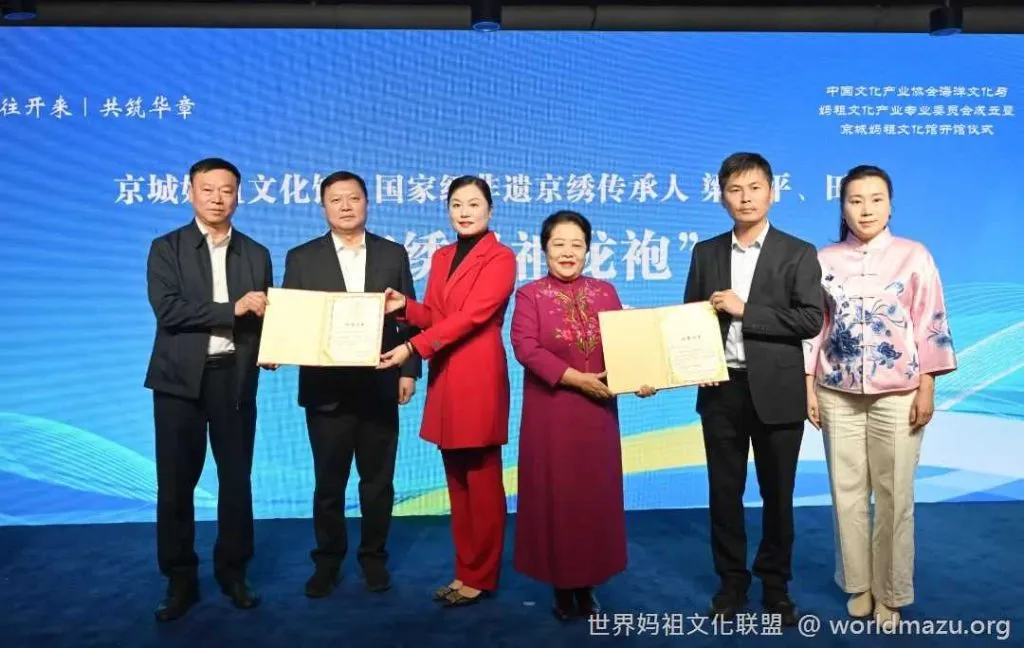
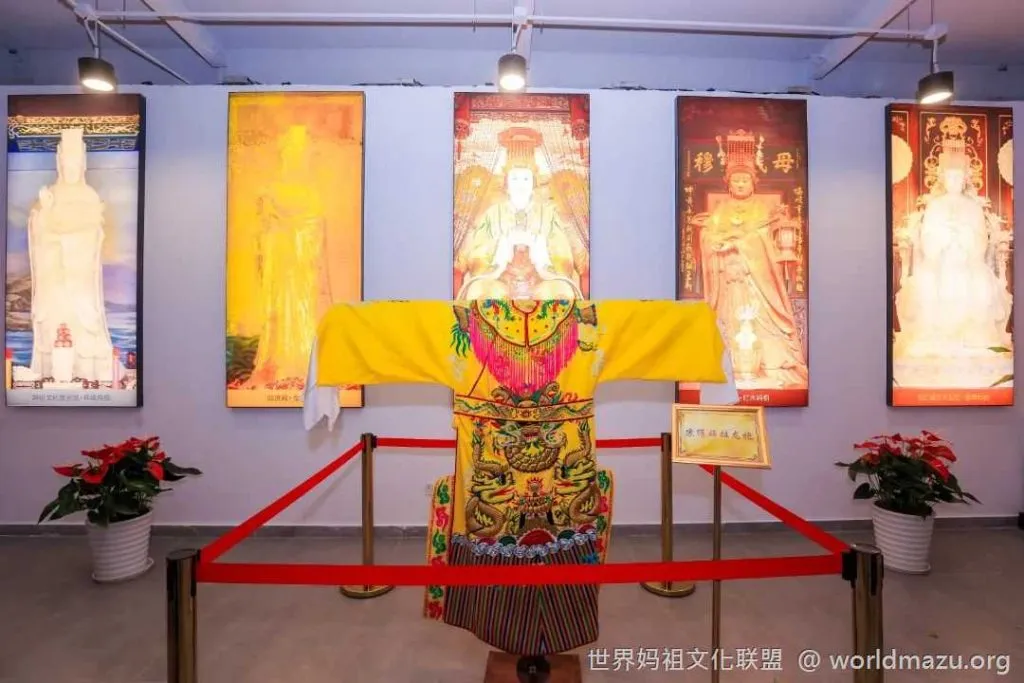
During the awarding ceremony, Chen Zhijun, deputy director of the Meizhou Island Administrative Committee, presented the “Mazu Cultural Tourism Innovation Center” plaque to the Beijing Mazu Cultural Center. Li Shaoxia, Secretary-General of the Meizhou Mazu Ancestral Temple, awarded the center the “Mazu Culture Experience Base” plaque. Additionally, the center, in partnership with Liang Shuping and Tian Li, national inheritors of Beijing embroidery, gifted a specially made “Mazu Dragon Robe” to the ancestral temple, symbolizing the continuity of Mazu’s spirit in diverse cultural forms.

Beijing and Mazu Culture: A Heritage of a Thousand Years, Modern Continuation
During the event, speakers reflected on the long history of Mazu culture in Beijing. Historical records show that as early as the third year of the Yuan Dynasty’s Taiding era (1326), the capital had a Sea Goddess Tianfei Temple, which protected canal transportation and symbolized the deep roots of Mazu culture in Beijing. The founding of the Beijing Mazu Cultural Center represents not just the continuation of tradition but also infuses Mazu culture with renewed vitality in modern times. Li Shaoxia, representing Lin Jinzhan, Chairman of the Meizhou Mazu Ancestral Temple, noted in her speech that the center rekindles Mazu’s spirit in this great city, offering residents and visitors a window into experiencing and understanding Mazu culture.
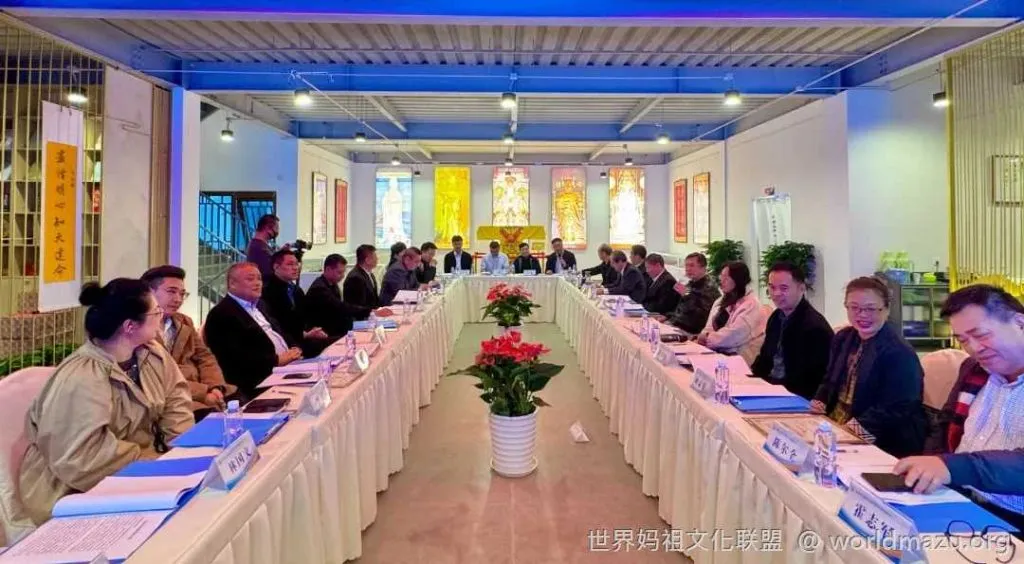
Professor Wang Shuguang of Peking University highlighted that Mazu culture embodies more than maritime protection; it represents benevolence, dedication, and guardianship. He stated, “In a modern urban setting, people seek spiritual comfort beyond the mundane, and Mazu culture provides that spiritual strength.” He emphasized that the Beijing Mazu Cultural Center not only showcases the essence of traditional culture but also serves as a source of spiritual support and cultural belonging for the modern world.

A Beacon of Culture: Linking Past and Future through Mazu Heritage
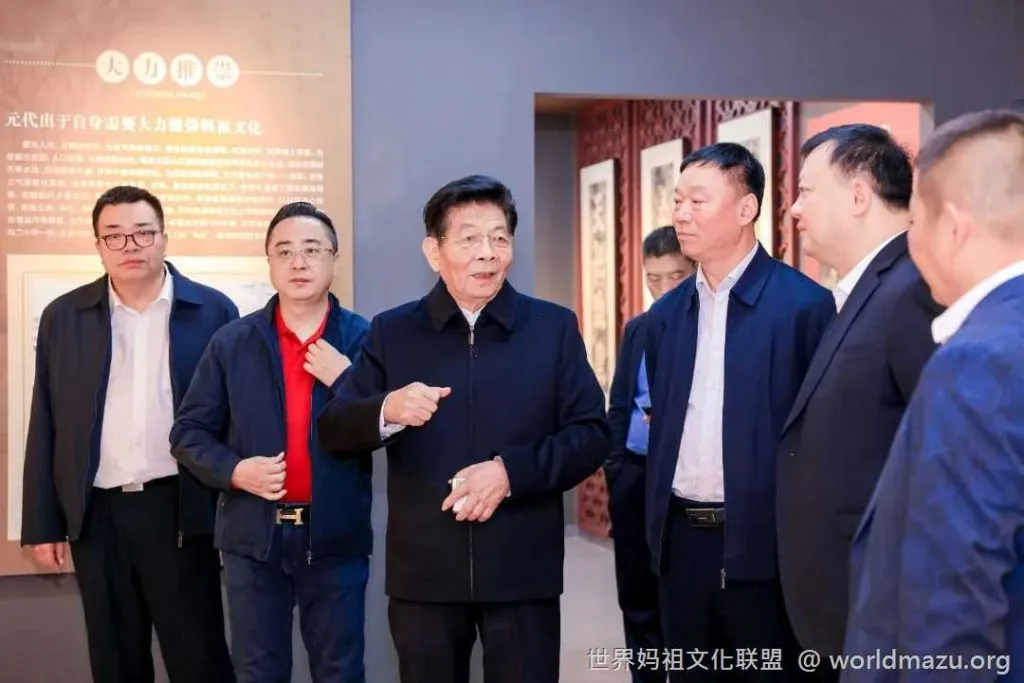
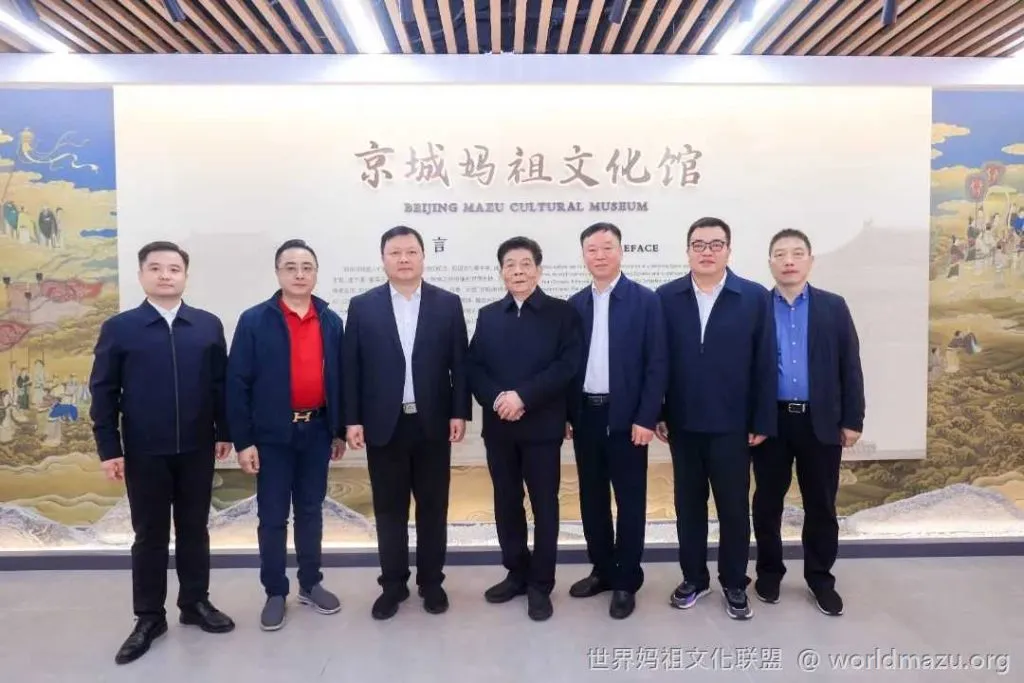
Everlasting Tradition, Bringing Warmth and Hope to Modern Life
Jin Peng, Secretary-General of the Chinese Cultural Industry Association, emphasized that Mazu culture transcends regions and time, characterized by its inclusiveness and inspirational impact. The Beijing Mazu Cultural Center enriches the cultural fabric of the city and allows Mazu’s spirit to flourish in contemporary society. Jin noted that Mazu culture represents humanity’s shared values of peace, tolerance, and dedication, strengthening emotional ties among Chinese people worldwide.
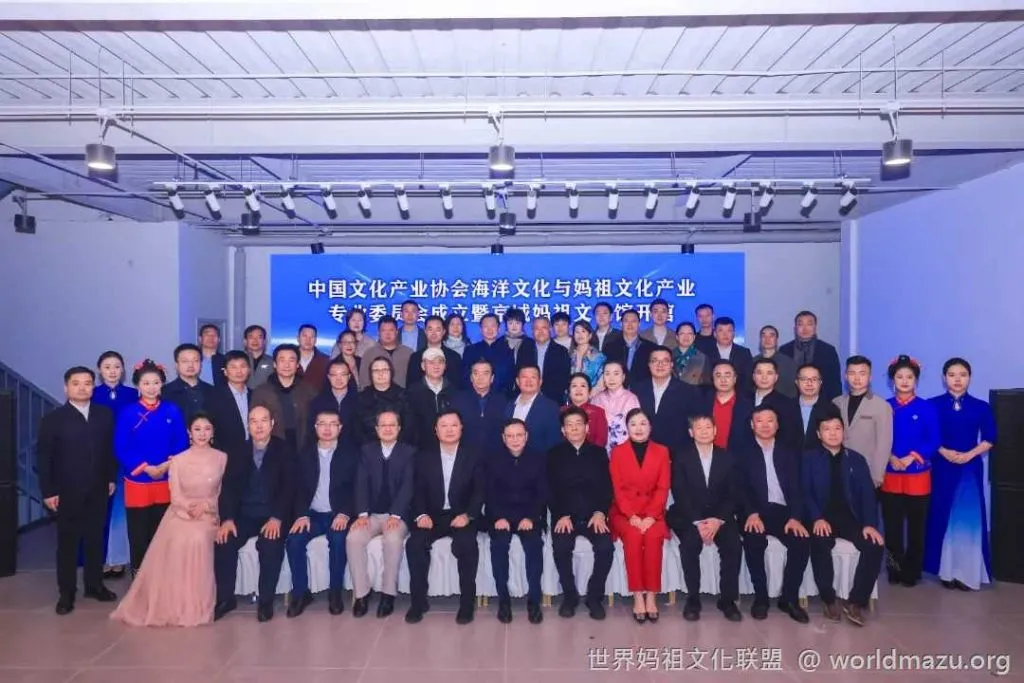
A Millennium of Tradition, Continuing Mazu’s Legacy in the Capital
The grand opening of the Beijing Mazu Cultural Center marks more than just the continuation of Mazu culture; it is a proud expression of China’s cultural confidence. This center will breathe new life into Mazu culture, serving as a cultural bridge that connects hearts. As Li Shaoxia from the Meizhou Mazu Ancestral Temple put it, “Mazu culture’s heritage is not just history’s echo; it is a beacon of compassion and faith in modern society.”
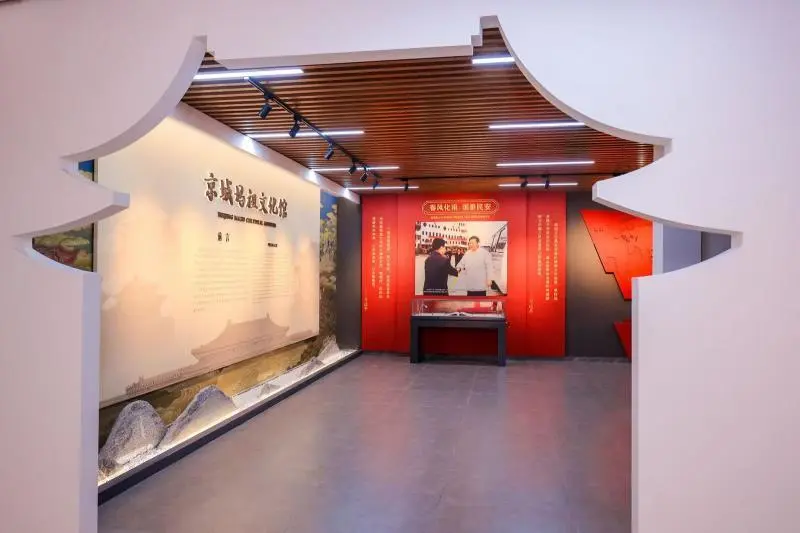
Looking ahead, the Beijing Mazu Cultural Center will continue to provide a strong platform for promoting and innovating Mazu culture, serving as a vital gateway for preserving Chinese civilization and sharing cultural power with the world.
This article is copyrighted by the “World Mazu Cultural Alliance” and has been translated into over 20 languages, reaching 30+ countries and regions, showcasing the global impact of Mazu culture. Readers worldwide can explore corresponding versions of the Beijing Mazu Cultural Center. Reported by Lin Bingbin and Luo Fujin in New York. Please credit the source and retain author information when reprinting. Video by Chen Lin, images by Zhou Jianguo.
China (China)
Grand Opening of Beijing Mazu Cultural Hall
Taiwan (Taiwan)
Grand Opening of Beijing Mazu Cultural Hall
Malaysia (Malaysia)
Grand Opening of Beijing Mazu Cultural Hall
Philippines (Philippines)
Grand Opening of Beijing Mazu Cultural Hall
Singapore (Singapore)
Grand Opening of Beijing Mazu Cultural Hall
Vietnam (Vietnam)
Grand Opening of Beijing Mazu Cultural Hall
Hong Kong (Hong Kong)
Grand Opening of Beijing Mazu Cultural Hall
Macau (Macau)
Grand Opening of Beijing Mazu Cultural Hall
Indonesia (Indonesia)
Grand Opening of Beijing Mazu Cultural Hall
Thailand (Thailand)
Grand Opening of Beijing Mazu Cultural Hall
Japan (Japan)
Grand Opening of Beijing Mazu Cultural Hall
South Korea (South Korea)
Grand Opening of Beijing Mazu Cultural Hall
Myanmar (Myanmar)
Grand Opening of Beijing Mazu Cultural Hall
Laos (Laos)
Grand Opening of Beijing Mazu Cultural Hall
Australia (Australia)
Grand Opening of Beijing Mazu Cultural Hall
New Zealand (New Zealand)
Grand Opening of Beijing Mazu Cultural Hall
USA (USA)
Grand Opening of Beijing Mazu Cultural Hall
Canada (Canada)
Grand Opening of Beijing Mazu Cultural Hall
Brazil (Brazil)
Grand Opening of Beijing Mazu Cultural Hall
Argentina (Argentina)
Grand Opening of Beijing Mazu Cultural Hall
UK (United Kingdom)
Grand Opening of Beijing Mazu Cultural Hall
France (France)
Grand Opening of Beijing Mazu Cultural Hall
Italy (Italy)
Grand Opening of Beijing Mazu Cultural Hall
Spain (Spain)
Grand Opening of Beijing Mazu Cultural Hall
Netherlands (Netherlands)
Grand Opening of Beijing Mazu Cultural Hall
Germany (Germany)
Grand Opening of Beijing Mazu Cultural Hall
Belgium (Belgium)
Grand Opening of Beijing Mazu Cultural Hall
Portugal (Portugal)
Grand Opening of Beijing Mazu Cultural Hall
World (World)
Grand Opening of Beijing Mazu Cultural Hall
Cambodia (Cambodia)
Grand Opening of Beijing Mazu Cultural Hall