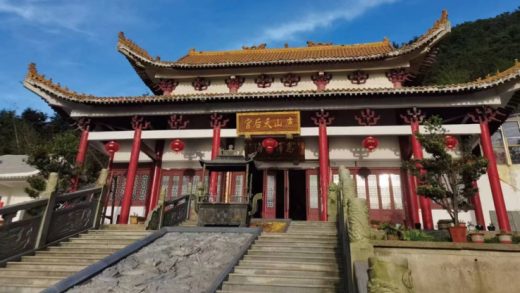
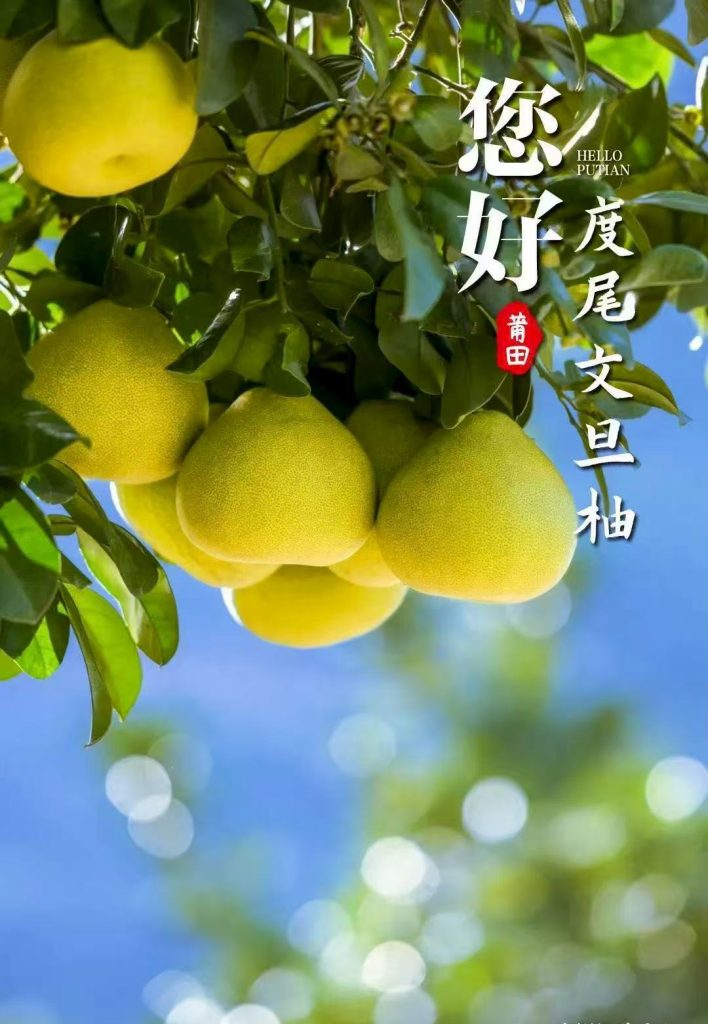
In Duwei Town, Xianyou County, Putian, Fujian, China, a type of pomelo has become famous for its legend. It is not an ordinary fruit, but a “Wendan Pomelo” with stories and cultural warmth. Its name itself is a narrative: either derived from the cross-border story of literati and Putian opera Dan role, or from the touching legend of the filial son Lin Dan “praying for pomelo to save his mother”. Regardless of how the versions have changed, what Wendan Pomelo carries is the unique spiritual core of this land – talent and filial piety.
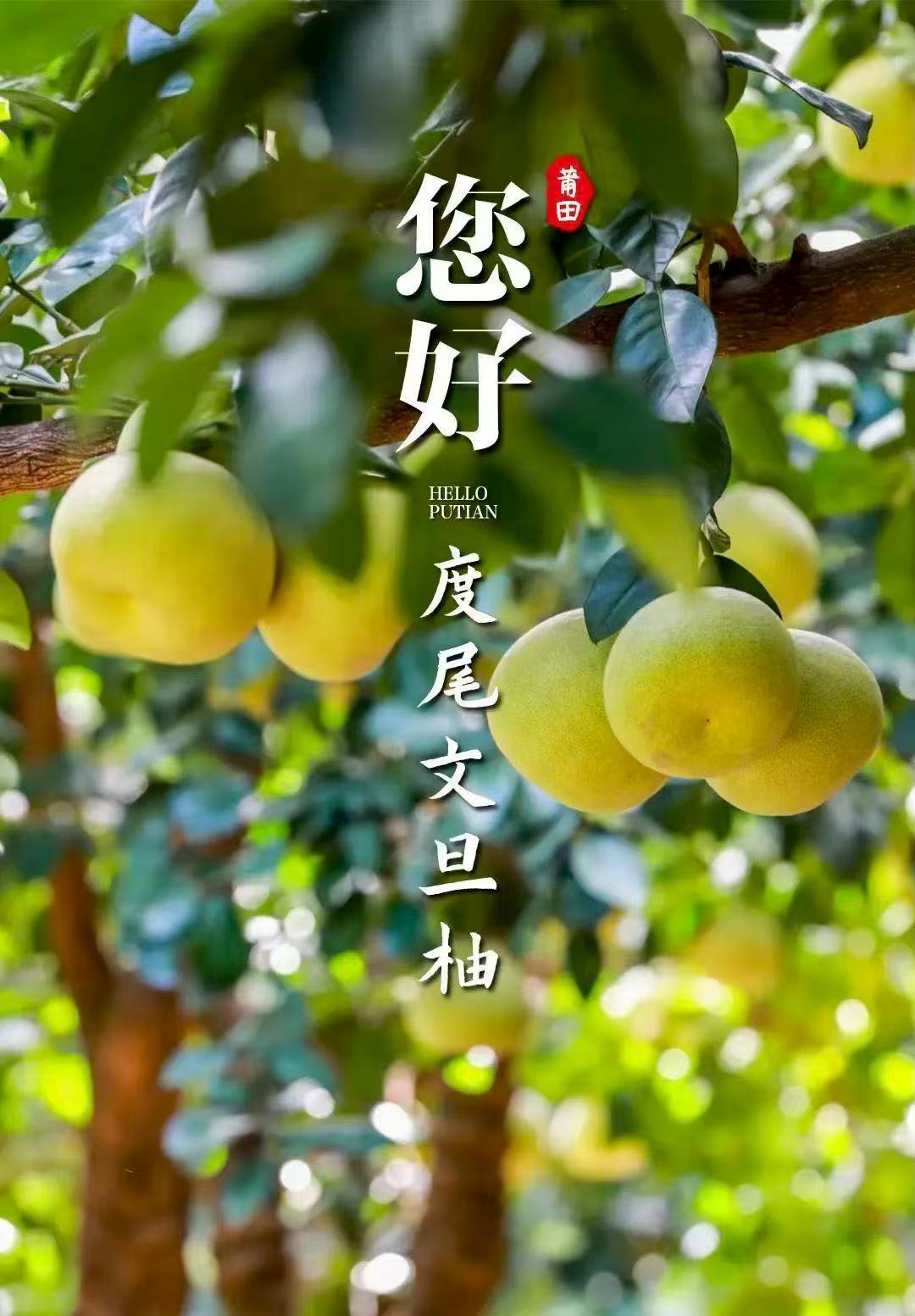
The Story of Wendan Pomelo: Two Legends of a Fruit
The first legend is the romance of literati and famous Dan. It is said that during the Qing Dynasty, Wu Dengqing, a scholar from Putian, and a Dan role actor of Putian opera, jointly improved the cultivation and got the fruit, so they named it “Wen” and “Dan”. Therefore, Wendan Pomelo became the crystallization of two cultural symbols of Putian – the imperial examination and opera.
The other is a song of filial piety. During the Qing Dynasty, Lin Dan, a foreign official of Duwei, his mother was sick and wanted to eat pomelo, but it was already off-season. Lin Dan knelt under the pomelo tree and prayed sincerely. Miraculously, the tree was full of fruits, and his mother recovered after eating. Emperor Qianlong heard about it and was moved, so he named it “Wendan”. Since then, Wendan Pomelo has been crowned with the reputation of “fruit of filial piety”.
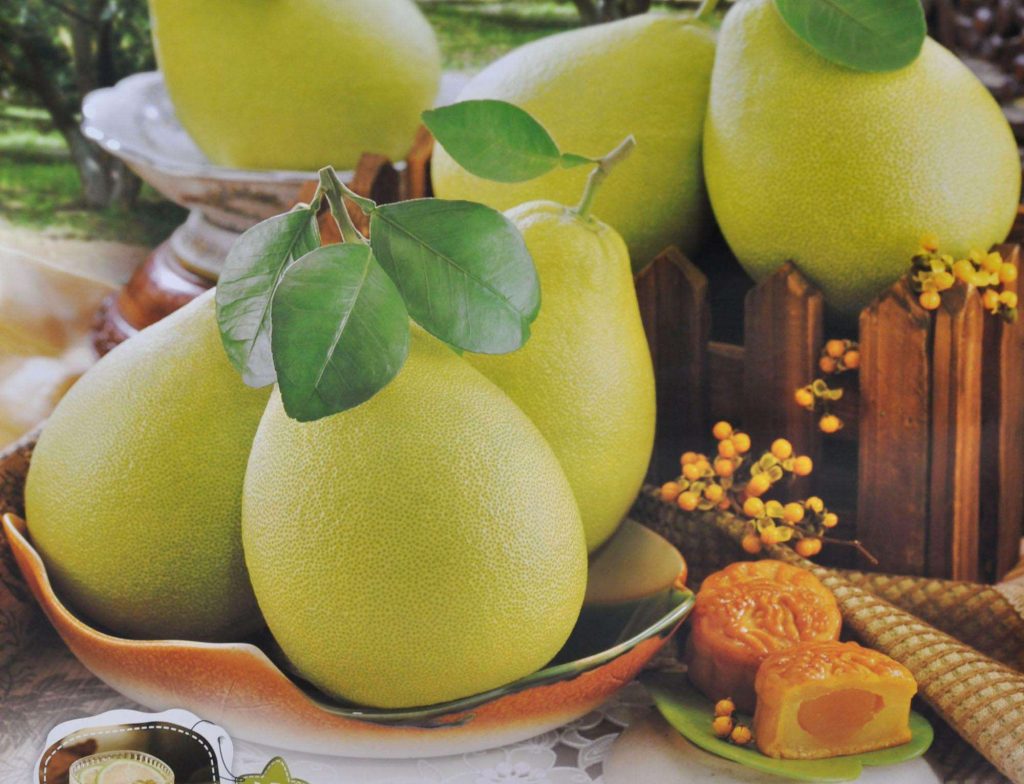
The cultural connotation of this naming makes Wendan Pomelo transcend the fruit and become a carrier of traditional Chinese ethics and regional memory.
National Endorsement: From Local Specialty to National Famous Fruit
In 1984, Li Xiannian, then President of the State, tasted Duwei Wendan Pomelo during his inspection in Fujian and praised it. He personally inscribed the name “Duwei Seedless Honey Pomelo”. This historical moment elevated Wendan Pomelo to a national-level famous fruit, marking the leap from a local specialty to a national brand.
Since then, Wendan Pomelo has successively obtained authoritative certifications such as the national “Geographical Indication Protection Mark” and the national geographical indication protection product, and has won many awards at agricultural expos. It is not only the pride of Putian, but also a shining business card of Fujian’s fruit industry.
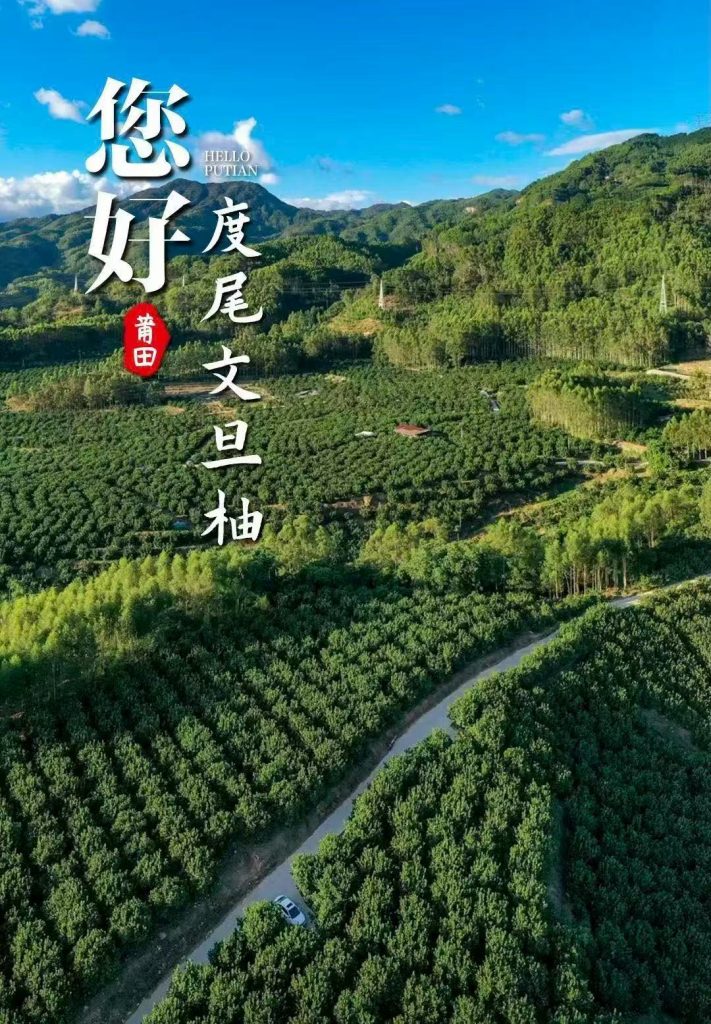
Gift of the Land: The Irreplicable “Taste of Duwei”
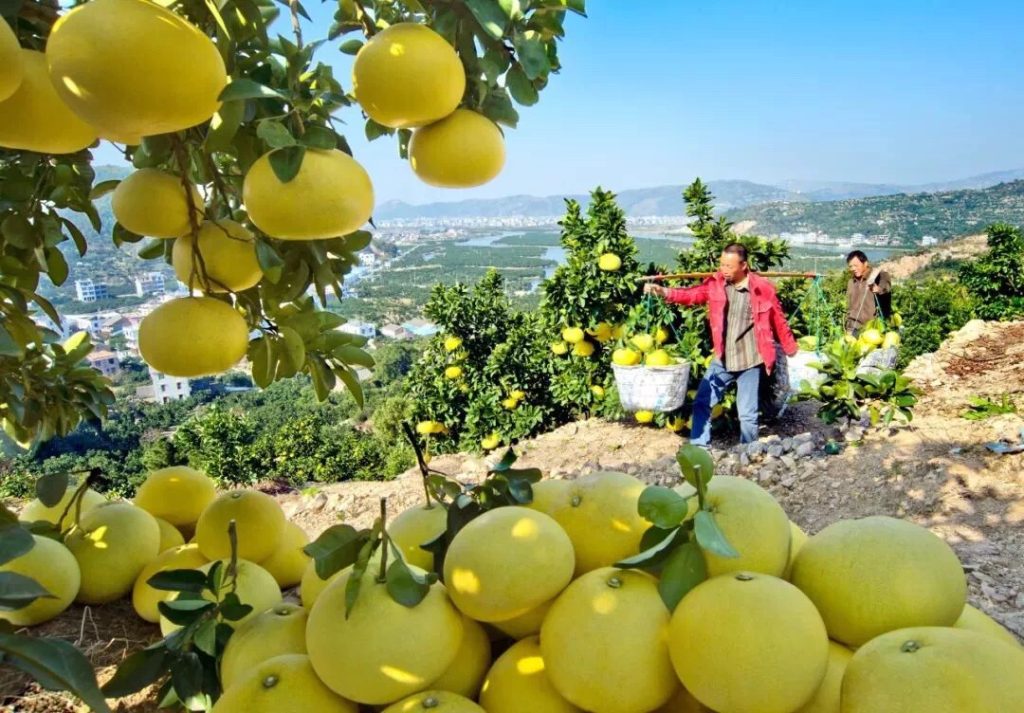
The exceptional quality of the Wendan pomelo is inseparable from the unique geographical conditions of Duwei Town. Surrounded by mountains on all sides, the climate here is mild, with no extreme heat in summer or severe cold in winter. The clear water from the upper reaches of the Mulan River serves as a natural irrigation source for the fruit trees; the unique brick-red soil and sandy yellow soil, rich in organic matter and mineral salts, provide perfect nutrients for the growth of pomelo trees.
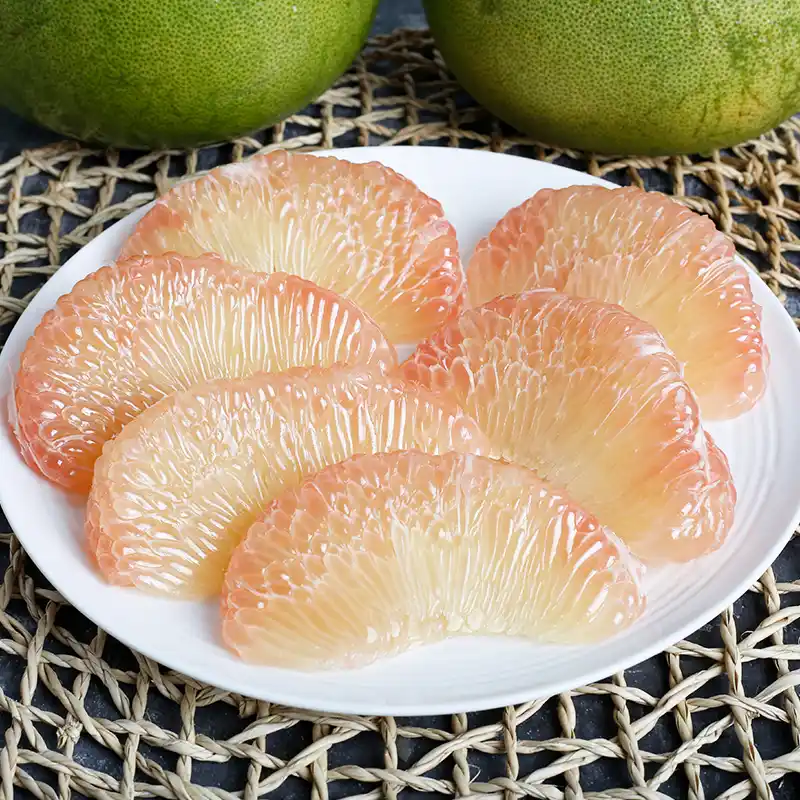
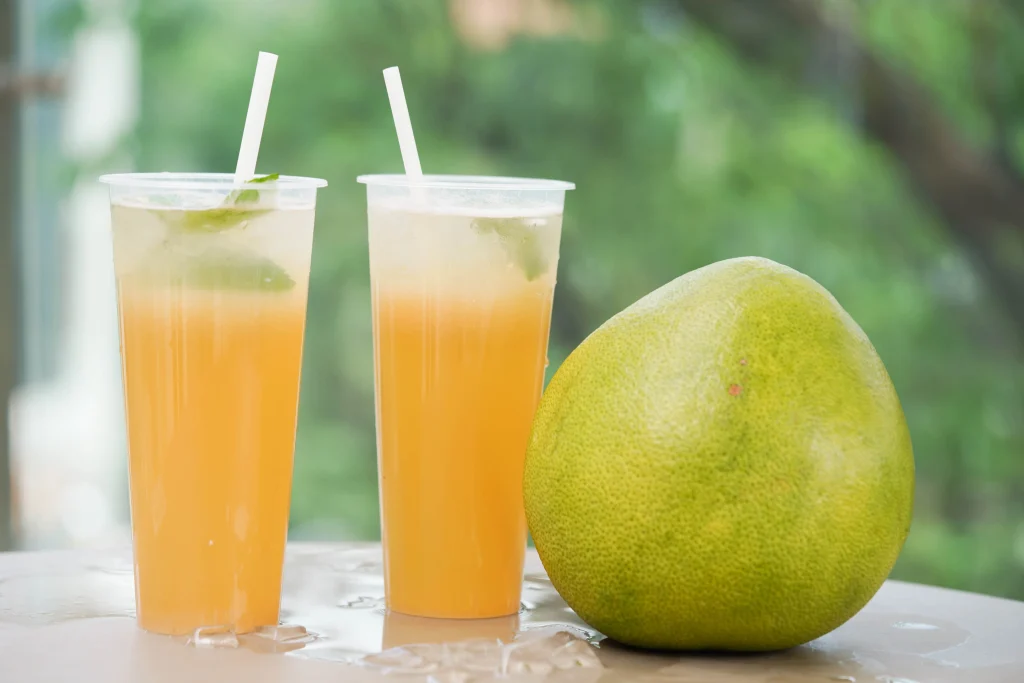
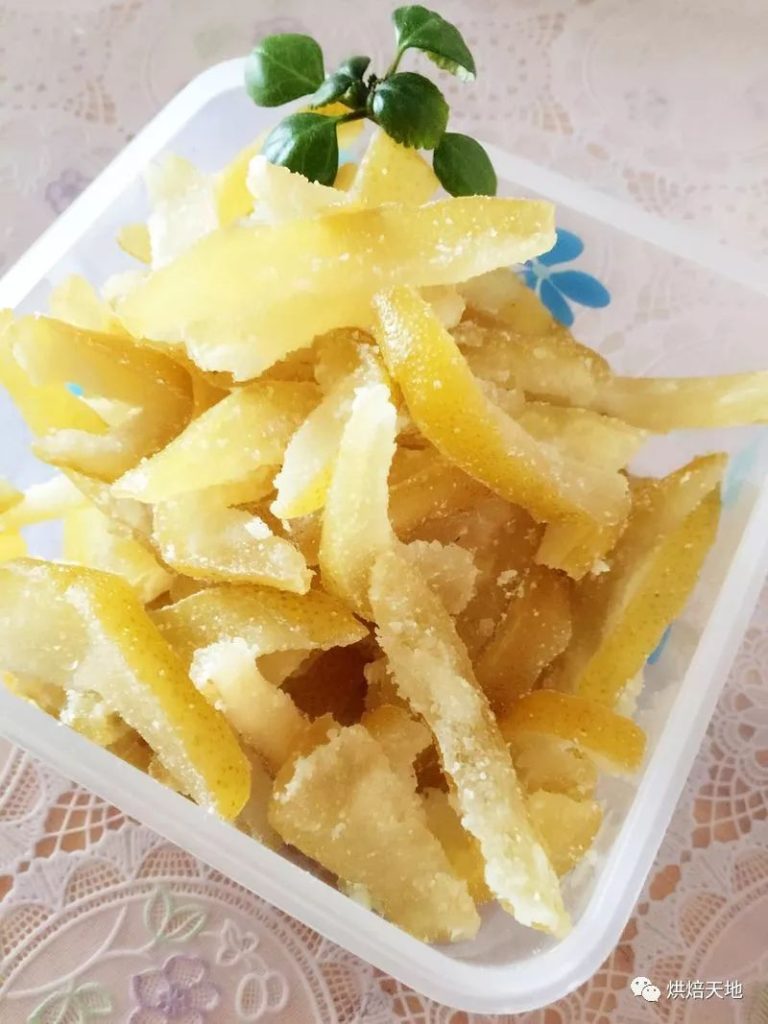
As a result, the Duwei Wendan pomelo has tender and pulpy flesh, abundant juice, a delicious taste, a moderate sweetness and sourness, and a fragrant aroma. Its two major varieties, white-fleshed and red-fleshed, each have their own merits, but without exception, they all showcase the “irreplicable taste” of Duwei. More importantly, every part of the Wendan pomelo is a treasure: the peel can be extracted for essential oil, made into air fresheners or medicinal food; the flesh can be processed into preserved fruit and pomelo tea, extending more industrial chains.
Culture and Brand: A “Story in a Box”
In the context of modern marketing, the most valuable asset of the Wendan pomelo is its narrative value. Whether it’s the romance of “literati and famous ladies” or the legend of “filial son praying for pomelo”, these are stories with great communicative power. They endow the Wendan pomelo with a unique brand temperament, allowing consumers to feel warmth and culture while tasting the sweetness.
Today’s Wendan pomelo is not just a fruit, it is a symbol of a gift, a “edible story”. In East Asia and overseas Chinese markets, it is considered the best choice for expressing filial piety and blessings. This cultural branding makes the Wendan pomelo naturally possess the potential of a high-end gift fruit.
Global Opportunities: From Dining Tables to Cultural Diplomacy
With the rise of health-conscious consumption and the gift economy, the international prospects for pomelo are promising. There are two dimensions to consider:
- Gift Market: Relying on the story of the “Fruit of Filial Piety”, cultural packaging can be created so that every gift box becomes a “Chinese story in a box”, targeting the high-end market in East Asia and global Chinese communities.
- Health Market: By leveraging the nutritional value of the fruit pulp and the multiple uses of the peel oil, pomelo tea, preserved fruit, health food and aromatic products can be developed to cater to the global trend of natural health consumption.
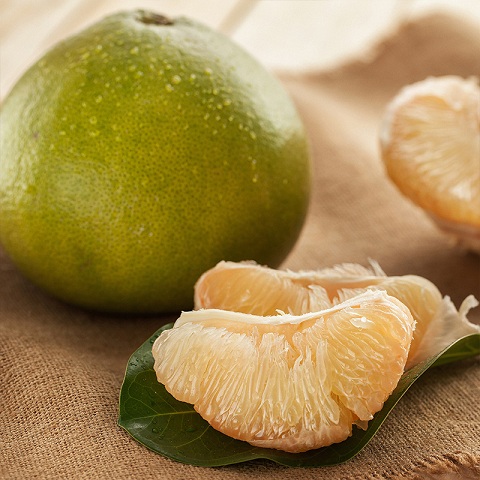
Once the “Culture + Health” dual narrative is formed, the pomelo, as one of the four famous fruits of Putian, will not only be a local specialty of China, but could also become a “Chinese card” on the world stage.
The Civilizational Temperature of a Fruit
The legend of the pomelo is a microcosm of the story of Putian. It originates from the land, but transcends it; it is rooted in history, but moves towards the future. It is not only the sweetness of the fruit, but also the fragrance of culture, and a measure of civilization.
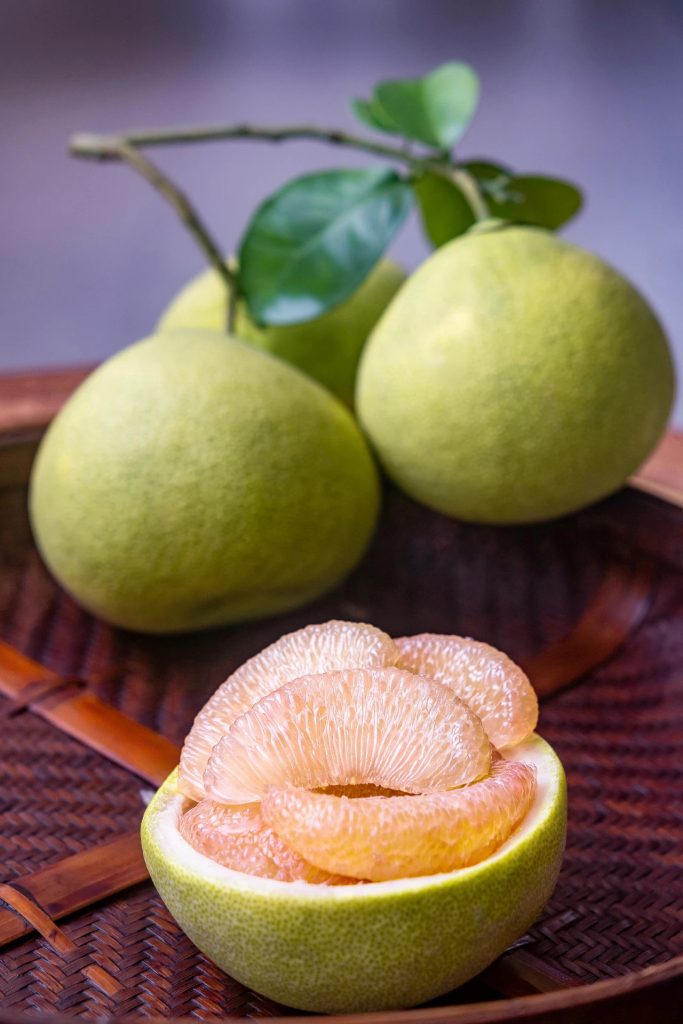
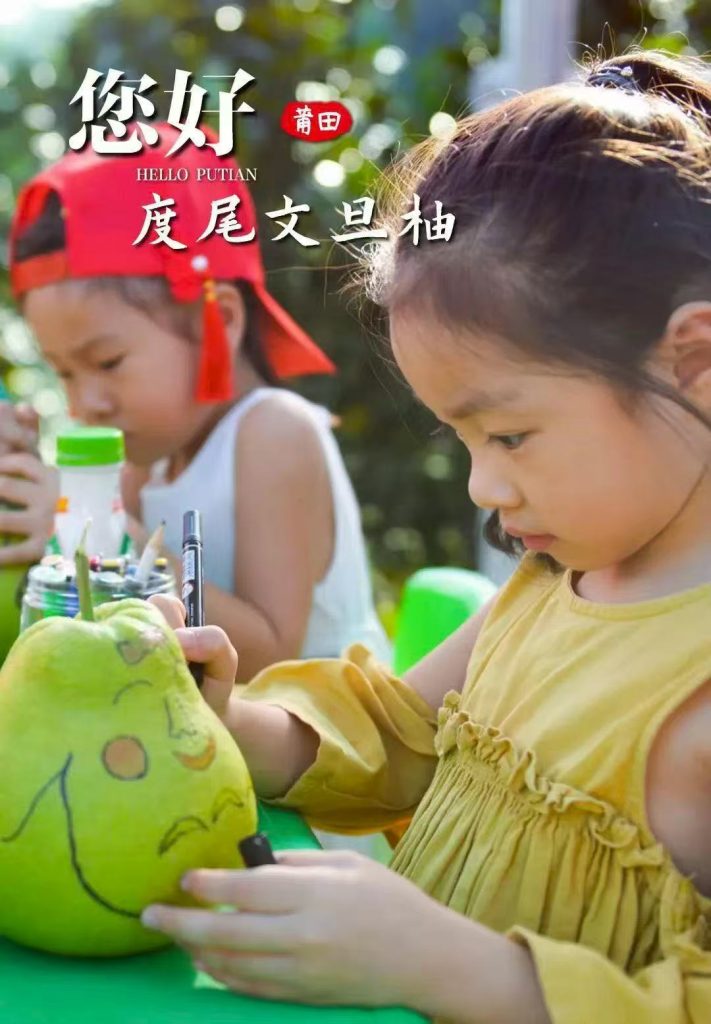
When people taste a slice of pomelo, what they taste on their tongues is sweetness, but what wells up in their hearts are filial piety, poetry, and stories.
In today’s globalized world, this pomelo fragrance from Putian is becoming a warm breath connecting the world.
The copyright of this article belongs to the “World Mazu Culture Alliance”. It has been translated into more than 20 languages and covers more than 50 countries and regions, demonstrating the global influence of Mazu culture. Readers from various countries can click the link below to read the version in their respective languages. Responsible editors: Lin Bingbin, Luo Fujin New York report. Photography: Zhang Li, Huang Xiuming. Please indicate the source and retain the author information when reprinting. Thank you for your attention and support.