Recently, the special exhibition “Heart Travels Thousands of Feet — Pu Songling and ‘Strange Stories from a Chinese Studio'” opened in Hall North 1 of the National Museum of China. Since its debut, over 240 rare cultural relics have connected the solitary grievances and deep feelings of three hundred years ago. In this literary dialogue that transcends time and space, a set of classical furniture from the new era, named “Jingshe,” quietly took its place deep in the exhibition hall, complementing half of Pu Songling’s manuscript, the Qing Dynasty “Illustrated Stories from a Chinese Studio,” and four renowned calligraphers’ works, becoming a unique highlight of the exhibition’s “dialogue between ancient charm and modern craftsmanship.”
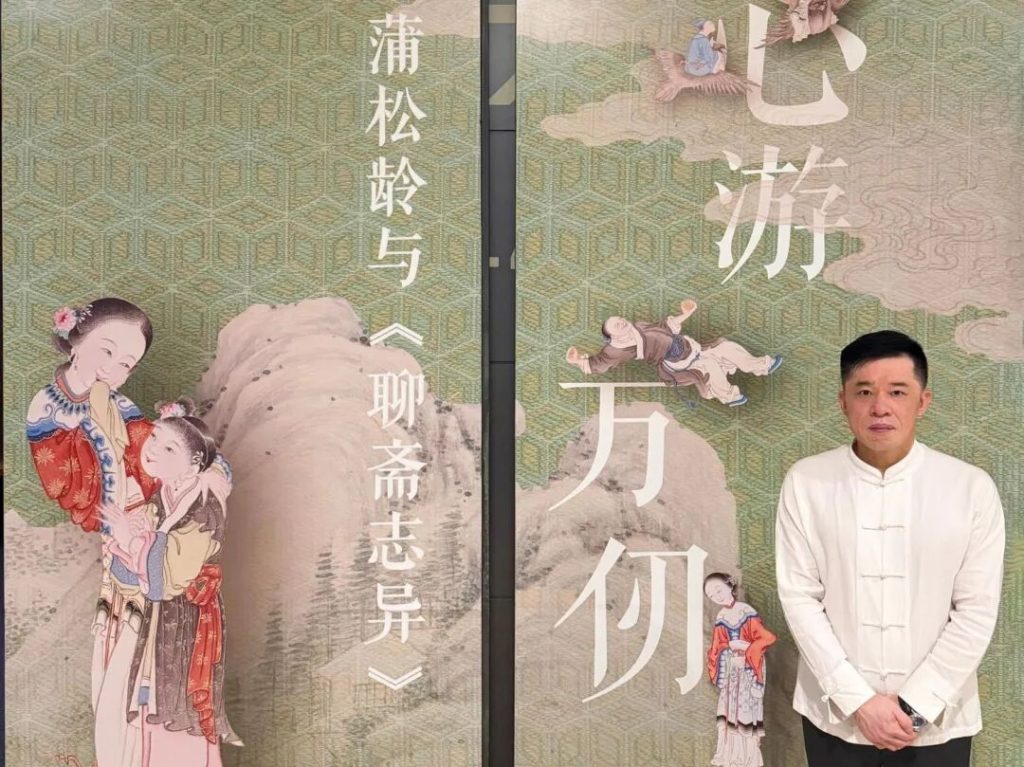
This exhibition is ingeniously arranged in chapters, presenting the fantastical and compassionate world of ‘Strange Stories’ through four units: “All Things Come to Life,” “Emotions Connect All Species,” “Writing Describes All Forms,” and “Thoughts Reach All Directions.” Each unit begins with a famous calligraphic work: Mr. Wang Meng’s couplet makes its first appearance, with a flowing brush style; followed by the profound calligraphy of the esteemed Ouyang Zhongshi; in the third chapter, Mr. Guo Moruo’s widely recited couplet, “Writing ghosts and monsters is superior, piercing greed and cruelty to the bone,” stands out, revealing Pu Gong’s literary strength; the fourth chapter presents Mr. Ye Shengtao’s poem: “In my youth, I read ‘Strange Stories,’ and even in old age, I am not afraid of ghosts; translated versions are widely spread in foreign lands, and it is only right to appreciate these strange texts together.” In this ink-laden literary river, the ‘Jingshe’ study quietly displays, as if paying silent tribute to that solitary lamp and pen shadow: furniture is the vessel of spirit, and words are the immortal soul, both narrating the state of being of Chinese literati who settle, burst forth, and transcend in their studies.

The design of the ‘Jingshe’ desk embodies the simplicity of the Ming style while subtly aligning with modern ergonomics. The wood grain of the tabletop resembles flowing water, seemingly reflecting the subtle and flickering human-ghost relationships in the stories of ‘Strange Stories,’ making viewers imagine Pu Songling’s figure as he “floated white and wrote, only creating a book of solitary grievances.”
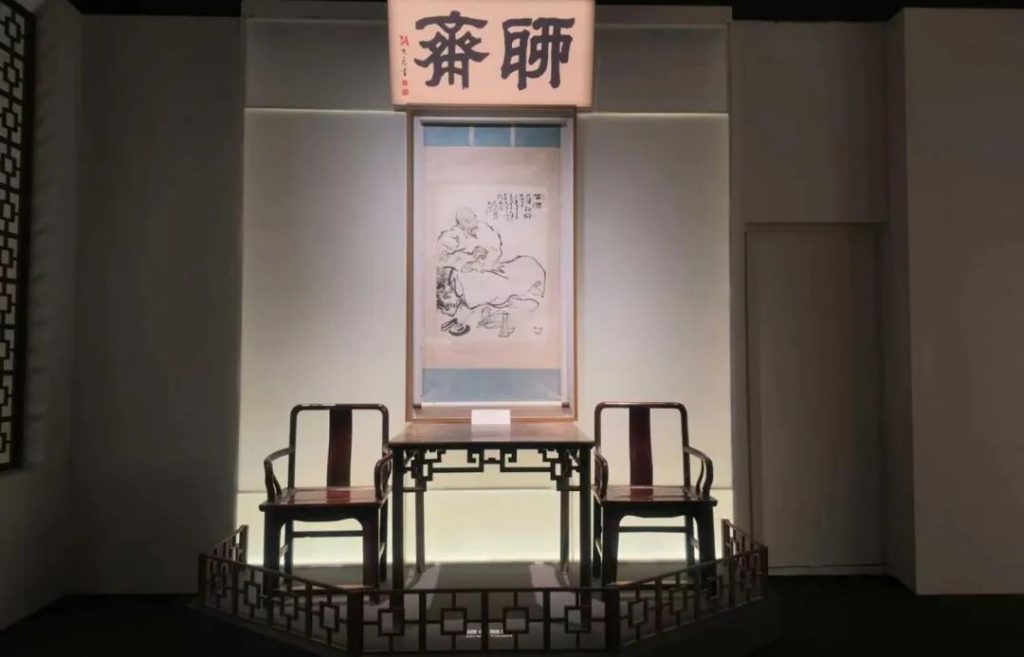
At the exhibition site, many visitors lingered in front of Chen Yushu’s ‘Jingshe’ study, either gently touching the tabletop or sitting in the chairs, as if they could hear the rustling sound of Pu Songling writing under the lamp. Some visitors exclaimed: “Sitting here, I finally understand what it means to ‘thoughts reach thousands of years, vision connects ten thousand miles.'”
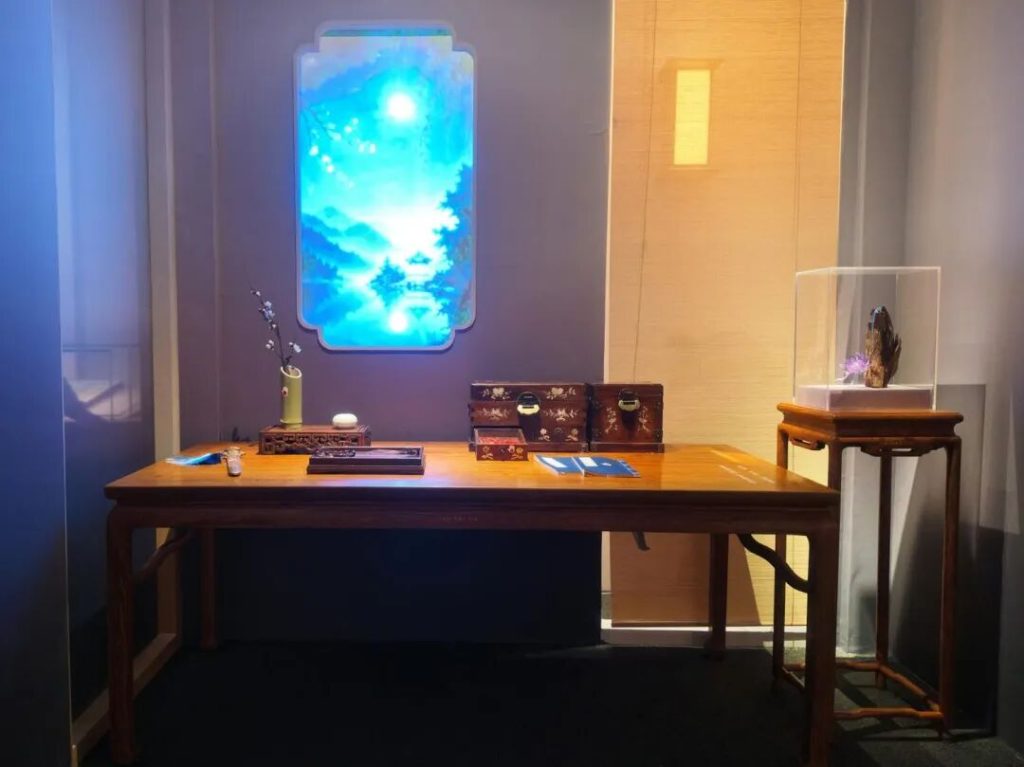
Pu Songling lived a life of hardship, teaching in a small school for decades, with his writing space being nothing more than a simple study called ‘Strange Stories,’ an old wooden desk, a bamboo chair, and a solitary lamp. Yet it was this small space that nurtured the literary peak of ‘Strange Stories from a Chinese Studio.’ The deeper meaning that the ‘Jingshe’ study hopes to convey is also “using wood as paper, using objects to carry the way,” allowing every person at the desk to gain spiritual travel and comfort in communion with the sages.
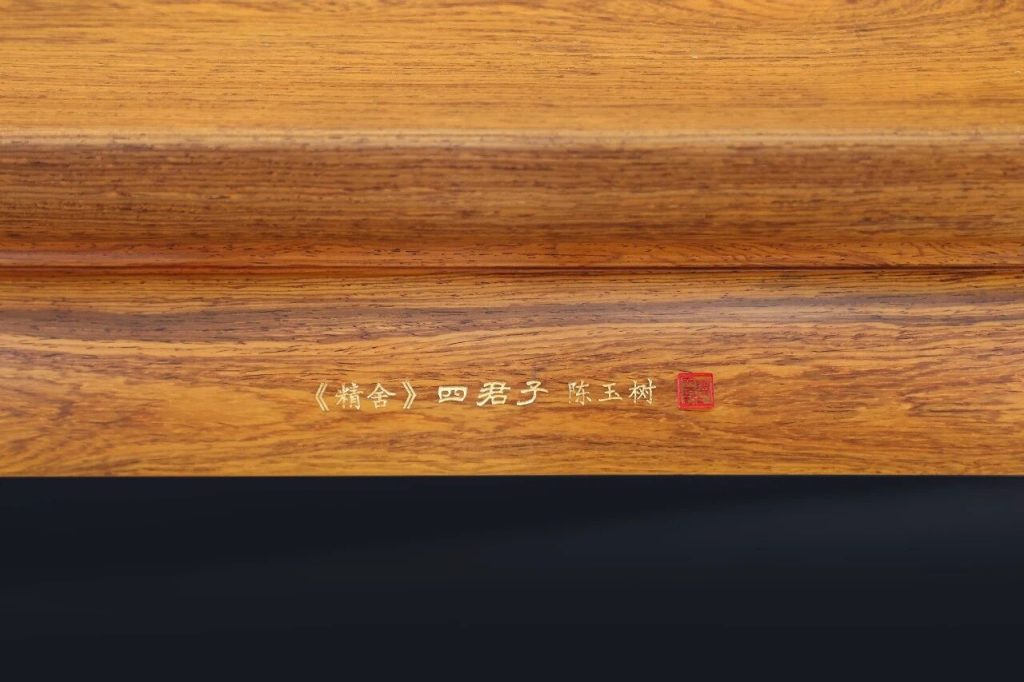
Three hundred years ago, Pu Songling wrote one legendary tale after another in his ‘Strange Stories.’ Three hundred years later, a ‘Jingshe’ in the National Museum exhibition hall continues to write the spiritual tradition of Chinese literati, “within a room, the heart travels thousands of feet.” ‘Jingshe’ is not just a piece of furniture, but a portable ‘Strange Stories,’ carrying the elegance, pride, and deep feelings of Chinese literati. This integration into the National Museum’s grand exhibition of ‘Strange Stories’ is a heartfelt resonance between classical furniture and literary classics.
Media Focus