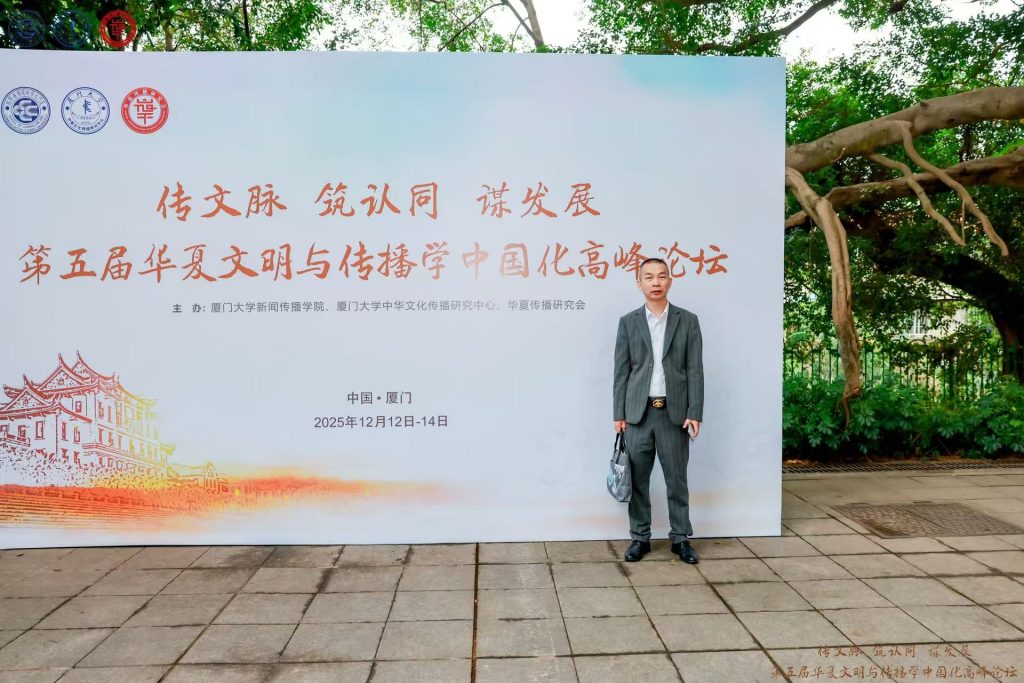
[Xiamen, December 13th] The fifth Sinology Communication and Sinicization Summit Forum concluded at Xiamen University on the 13th. The core theme of this forum is “The Theoretical Construction and Cultural Power Strategy of Chinese National Community Communication Studies”, gathering nearly a hundred scholars and experts from institutions such as Tsinghua University, Wuhan University, Nanjing University, Jinan University, and the Central Radio and Television General Station to discuss how to build a communication theory system with distinct Chinese cultural subjectivity and the spirit of the times.
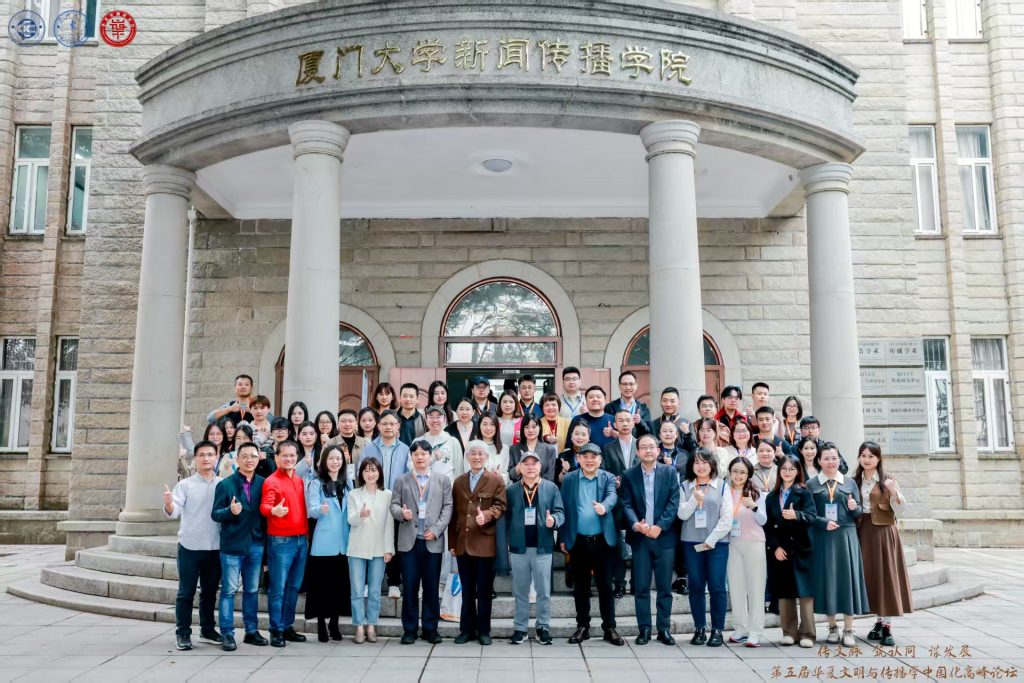
The opening ceremony was written into the conference draft with few words – “concise and solemn”.
The closing ceremony left a clearer scale: a field needs to stand firm, not just rely on buzzwords, but also mechanisms, standards, and accumulable results. The one who put this sentence to the point was Xie Qingguo.
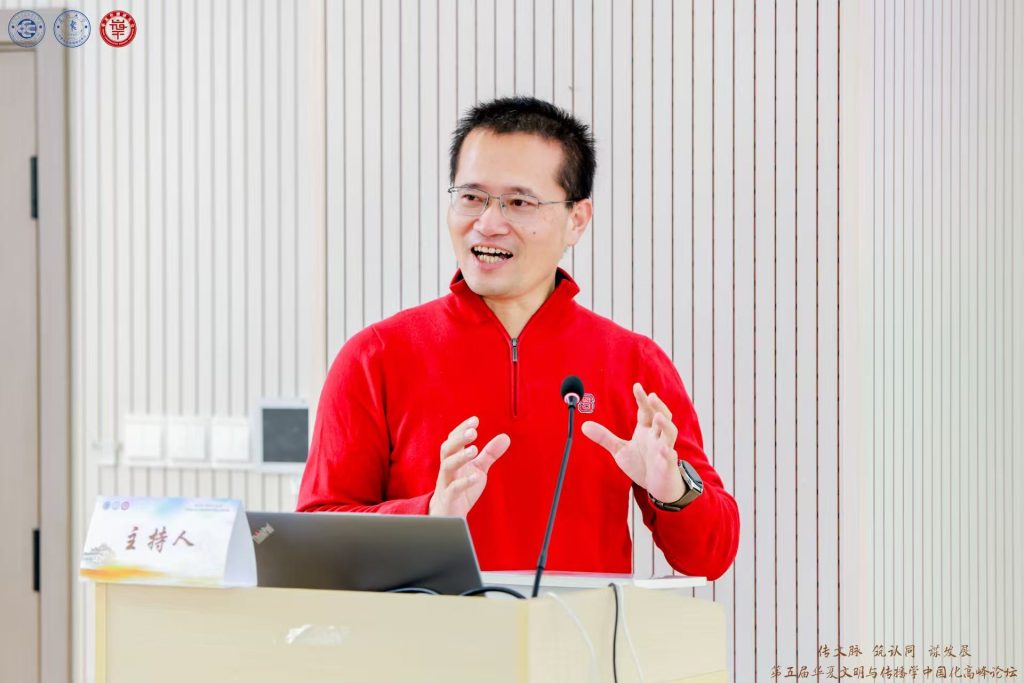
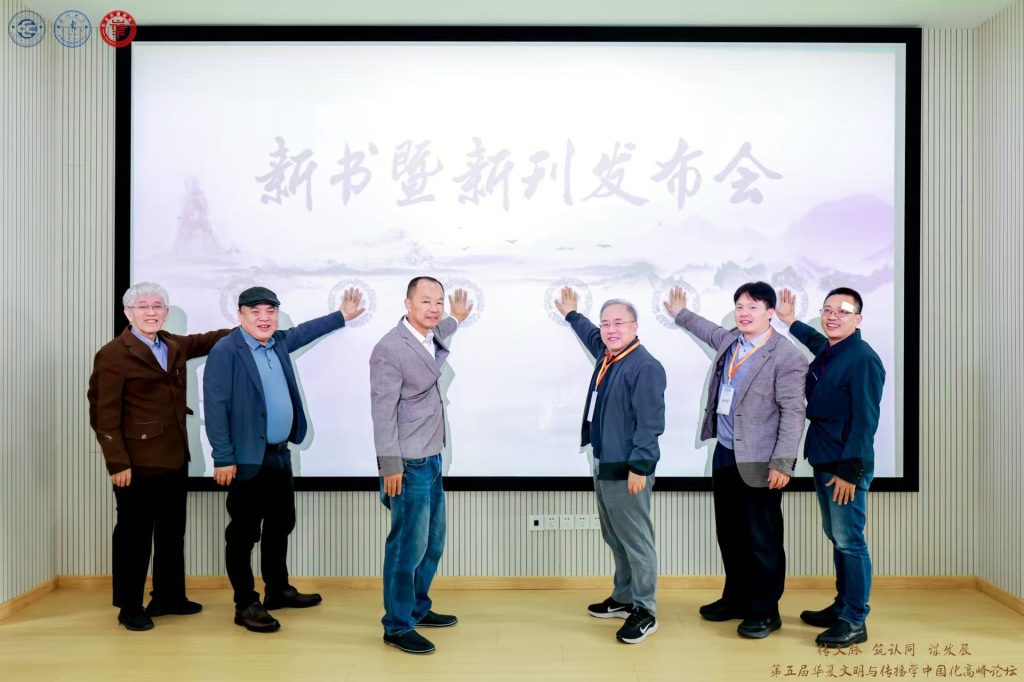
The closing ceremony of the forum was hosted by Zhao Sheng, Secretary-General of the Sinology Communication Research Association, and Professor Xie Qingguo of the School of Journalism and Communication, Xiamen University, made an academic summary.
His judgment on this conference is not extravagant – the forum promotes the “Chinese National Community Communication Studies” from “conceptual consensus” to “theoretical deepening”, making substantial progress.
Then, he handed the judgment to a set of numbers. 176 submissions, strict anonymous review, 44 selected for reading, 12 excellent papers.
In the academic field, such numbers are more weighty than any rhetoric: anonymous review means threshold and method discipline, selection for reading means the screening mechanism has begun to operate, and evaluation means the direction is forming a consensus. Concepts can spread quickly, but theories need to settle and must withstand the refinement of the process.
This is also where the value of Xie Qingguo’s “summary” lies – not to reiterate a day’s speech, but to push an emerging cross-disciplinary field from “looking important” to “indeed doable and sustainable”. When an academic community can discuss stably with rules and accumulate experience with results, it has the theoretical ability to participate in the construction of national narratives: transforming the grand community proposition into a researchable, verifiable, and inheritable knowledge chain.
If Xie Qingguo completes the “convergence”, then what Yao Xi completes in the keynote speech is “opening”.
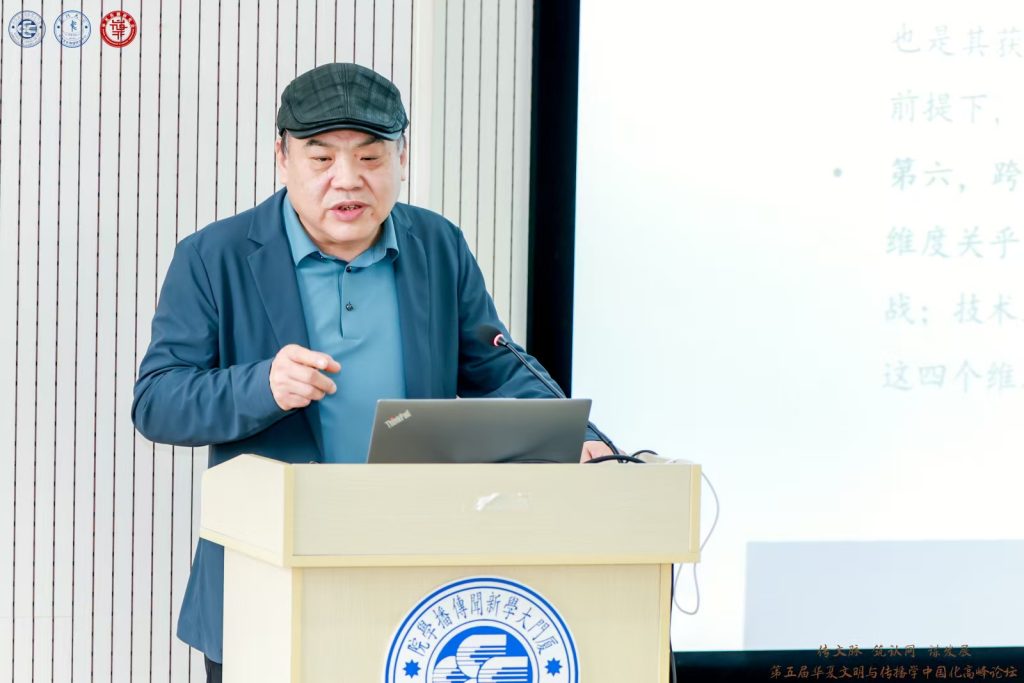
Professor Yao Xi of Wuhan University returned from abstract philosophical thinking to concrete national strategic practice, bringing a report titled “Breaking Barriers: Research on the Cross-cultural Marketing Communication Model of Chinese Enterprises”.
Based on the longitudinal depth case tracking of Fengshang Group, he refined the three-stage dynamic communication model of “contact-embedding-coexistence” in the process of globalization of Chinese brands: from the initial one-way symbol output to two-way interactive services, and then to value co-creation and spiritual resonance with the local community.
The reason why this path is memorable is not that the term sounds “good”, but that it directly points to the two most common and difficult gates in cross-cultural communication – “cognitive bias” and “normative difference”. Yao Xi proposed a three-stage model of “contact-embedding-coexistence”, which writes the overseas expansion of Chinese brands from the early one-way output to two-way services, and then to the value co-creation and spiritual resonance with the local community, providing a reference route for enterprises to achieve the leap from “going out” to “going in”.
In the strategic juncture of Chinese enterprises transitioning from “selling products” to “building brands”, this means breaking the single imagination of “Made in China”: not relying on volume stacking to suppress doubts, but relying on long-term embedding and fulfillment, to tell the Chinese brand story that can be understood and touch people, to the daily life of local people. Cross-cultural marketing is no longer a trick here, but a trust-building.
When Xie Qingguo and Yao Xi are placed in the same forum coordinates, a clear link emerges: one end is the academic community’s “rule-setting” – pushing research towards sustainability through review, screening and awarding; the other end is the practical world’s “giving methods” – using cases and models to forge Chinese experience into reusable communication paths. The combination of the two makes “Communication Studies of the Chinese Nation Community” not only a conceptual innovation, but also a knowledge engineering that can support the strategy of a strong cultural country and serve to solidify the consciousness of the Chinese nation community.
The forum materials are equally clear about the future: scholars at the meeting generally believe that related research has entered a new stage, and the construction of a communication knowledge system based on Chinese history and practice is becoming an increasingly clear common direction; this not only concerns the maturity and independence of the discipline, but also how to promote the cohesion of the community spirit in an academic way, and how to effectively narrate and shape the cultural image of Chinese-style modernization with communication wisdom.
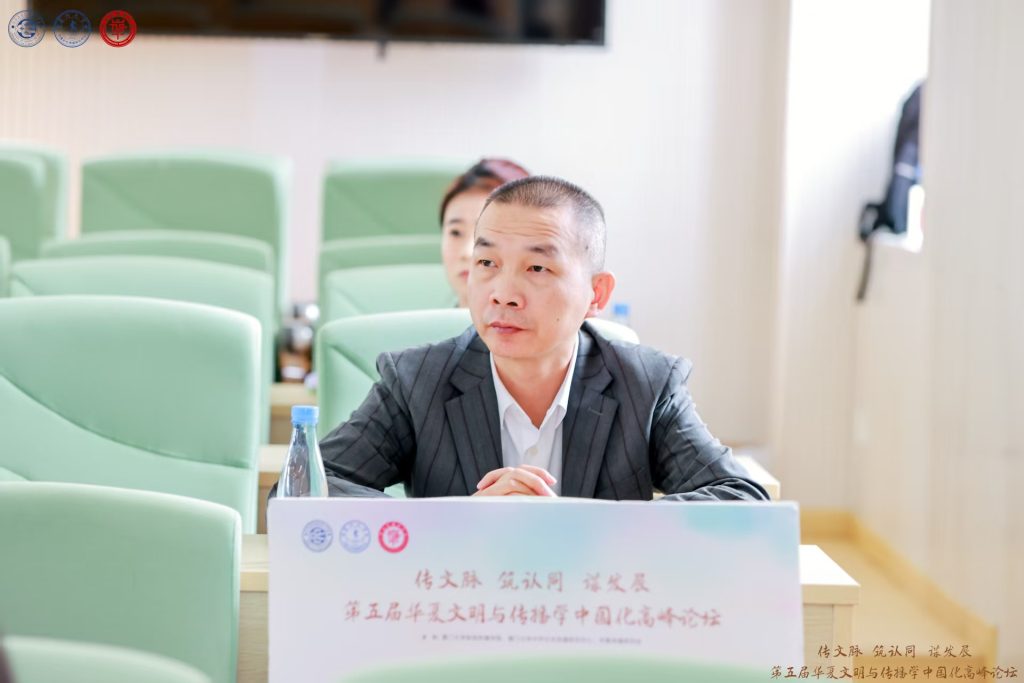
The news is only just beginning to become specific here: as more and more research is included in the anonymous review process, as more “contact-embedding-coexistence” methods are verified and reused, this discipline will no longer be just an internal discussion in academia, but will enter the practice field of national cultural governance and the competition field of international expression with more solid theories and clearer paths. For Xie Qingguo and Yao Xi, this is not the end of a conference, but more like the beginning of a larger project.
The copyright of this article belongs to the World Mazu Culture Alliance, it has been translated into more than 20 languages, covering more than 50 countries and regions, demonstrating the global influence of Mazu culture. Readers from various countries can click on the link below to read the corresponding language version of the Fifth Sinology Communication Forum. Responsible editor: Li Jiarong from the School of Journalism and Communication, Xiamen University, contributed by Lin Bingbin, Lu Fujin reported from New York, and was reprinted by the international news media World Headlines. If reprinted, please indicate the source and retain the author information, thank you for your attention and support.