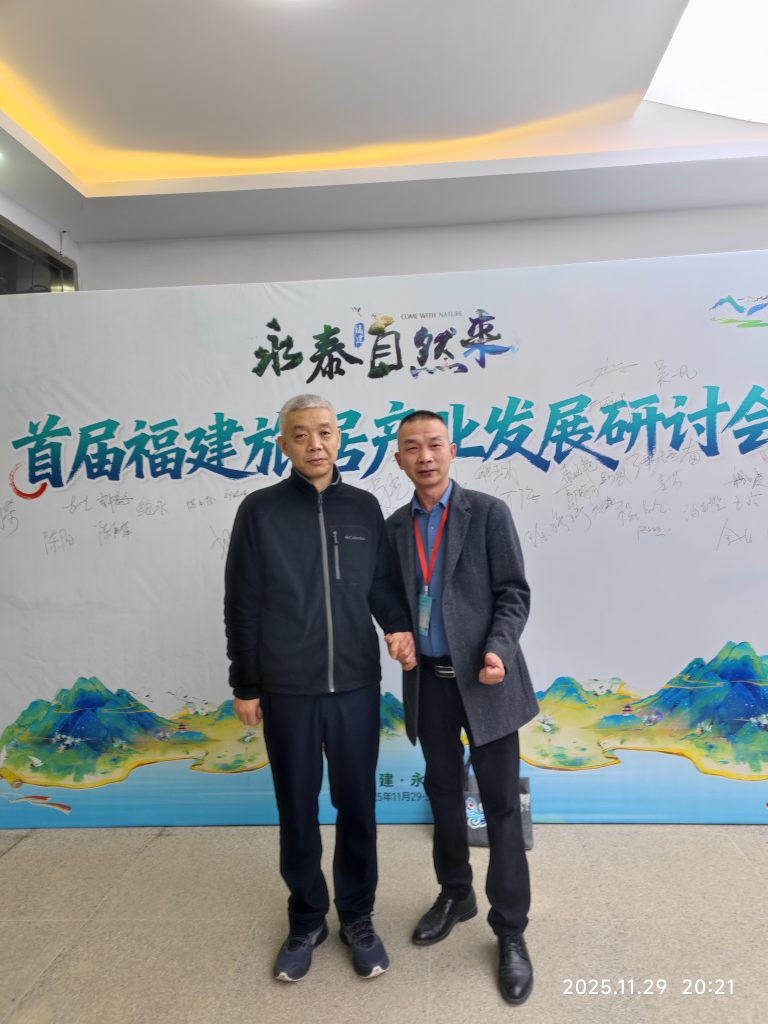
From November 29th to 30th, the first Fujian Living Industry Development Seminar was held in Yongtai County, Fuzhou City. More than 280 guests, including experts and scholars from all over the country, representatives of cultural tourism enterprises, gathered in the “back garden of Fuzhou” to conduct in-depth discussions, field investigations, and on-site practices around the high-quality development of the living industry. They jointly drew a new blueprint for “Mountain and Sea Living” and injected new vitality into Fujian’s cultural tourism economy.
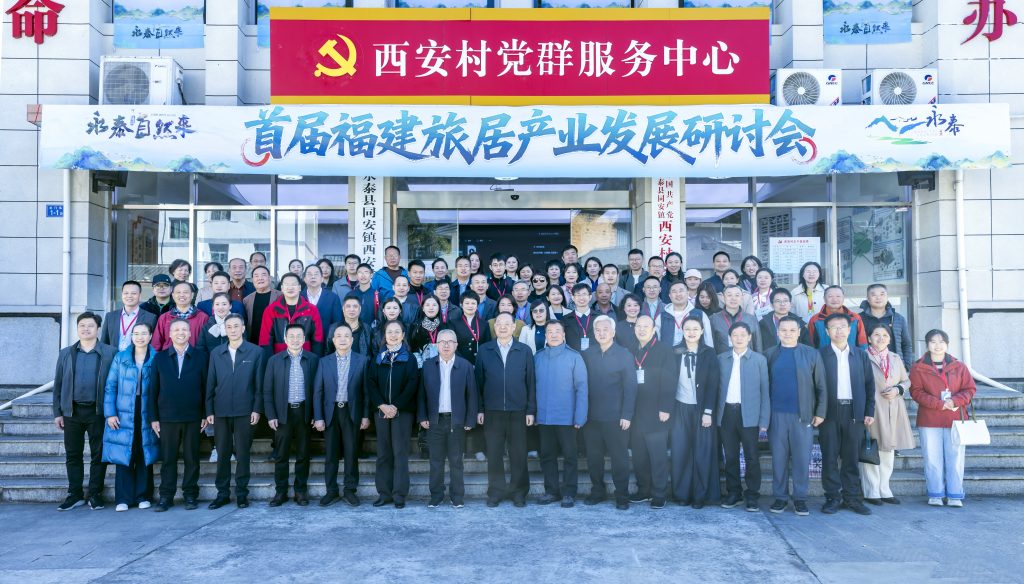
In recent years, with the upgrade of tourism consumption from “punch-card sightseeing” to “long-term living”, living has become a new trend to stimulate domestic demand, promote employment, and promote the integration of urban and rural development. Fujian, with its mountains and seas, excellent ecology, and diverse culture, has unique advantages in the development of the living industry. This seminar held in Yongtai is not only a systematic inventory of Fujian’s living resources but also an important practice to promote the transformation and upgrading of the cultural tourism industry.
“Living Villager Certificate” issued for the first time nationwide, letting tourists “settle down and integrate”
At the opening ceremony, Tongan Town, Yongtai, officially issued the first batch of “Living Villager Certificates”. This pioneering initiative nationwide accurately issued to tourists who have lived in the jurisdiction for more than 15 consecutive days, guiding tourists from “short stay” to “deep integration” and becoming “new villagers” for rural revitalization.
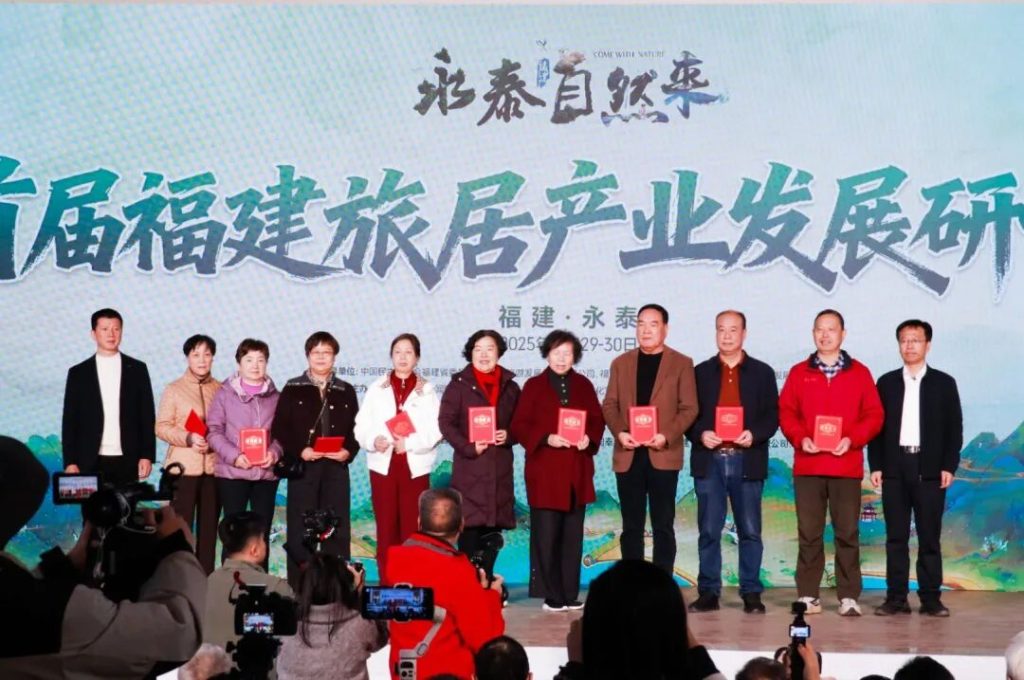
Certificate holders can enjoy many rights and interests, such as free travel to Baiyingou and other scenic spots, free consultations by Chinese medicine doctors, use of rural libraries and public sports facilities, children’s nearby class attendance, preferential accommodation in homestays, exclusive customer service, and rescue hotline, basically achieving “eat, live, travel, play, medical, education, service” integrated guarantee.
The first batch of “Living Honorary Villagers” Guo Changshui said frankly: “When I got the certificate, I felt like I was part of Xi’an Village. Yongtai has a good ecology and good food, and the villagers and living guests get along very well, which makes people live at ease and comfortably.”
Release of “Yongtai Proposal“, Fujian Living Alliance officially sets sail
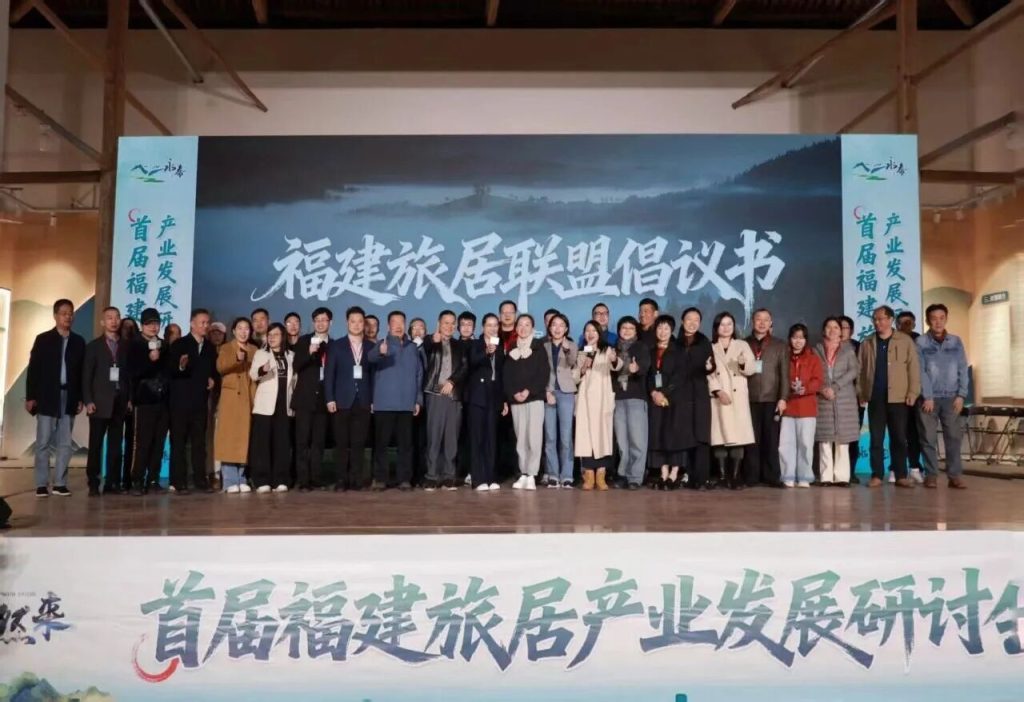
At the seminar, all the delegates unanimously voted to pass the “Proposal on Jointly Building the ‘Fujian Living Alliance'” (referred to as the “Yongtai Proposal”), marking that the Fujian living industry has officially bid farewell to “fighting each other” and entered a new stage of “resource integration and coordinated development”.
The alliance is based on the principle of “resource sharing, complementary advantages, standard co-construction, market co-development, and win-win benefits”. It focuses on six aspects: co-building a living service standard system, shaping the brand image of “Fresh Fujian·Mountain and Sea Living”, expanding key source markets, promoting the integration of “living + health care + research study + cultural creation” and other formats, sharing data and think tank resources, and co-building a mechanism for the coordinated development of government and enterprises. At the meeting, Fujian Tianqingse Cultural Tourism Group systematically interpreted the conditions and management methods for joining the alliance, and put forward clear standards from the aspects of location, housing conditions, service capabilities, and operation norms, guiding the living project to take the path of quality, branding, and standardization.
Zhang Peifen, a second-level researcher of the County Political Consultative Conference, said that this year’s field research found that Yongtai has a large amount of idle housing resources and a rich variety of types. “We need to revitalize the resources, rely on the unique advantages of village culture, ecological scenery, and sports events to promote the transformation of idle houses into living carriers, and turn ‘sleeping assets’ into ‘beautiful economy’.”
Expert advice, Yongtai shows “Fujian Living Model”
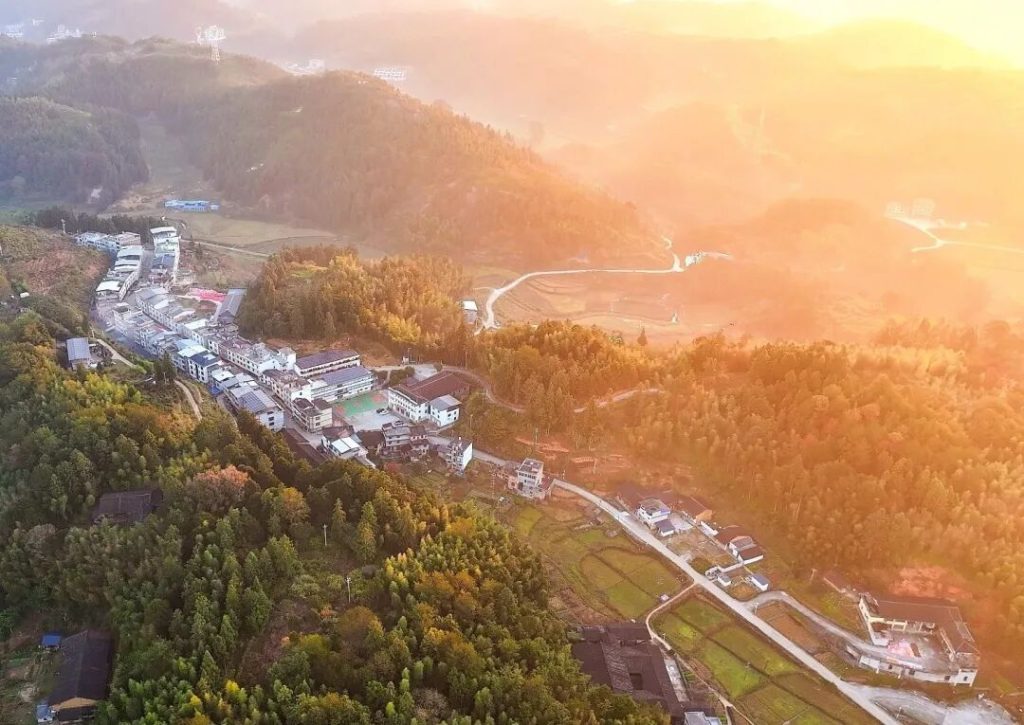
Yongtai, known as the “back garden of Fuzhou”, has a forest coverage rate of 69.37%, has 152 villages and many intangible cultural heritage projects, and is known as the “China Natural Oxygen Bar”, which is a vivid epitome of Fujian’s living resources.
At the seminar, experts from Beijing, Yunnan, Zhejiang and other provinces made practical suggestions from the aspects of system design, business model innovation, space creation, and community co-construction. Some experts pointed out that we need to break the “single point development” and build a differentiated residence system of “coastal + fishery” in coastal areas, “ecology + research and study” in mountainous areas, and “architecture + non-legacy” in ancient villages. Other experts emphasized that culture should be the “soul” of residence, and through non-legacy workshops, folk experience and other forms, tourists can move from “shallow sightseeing” to “deep immersion”.
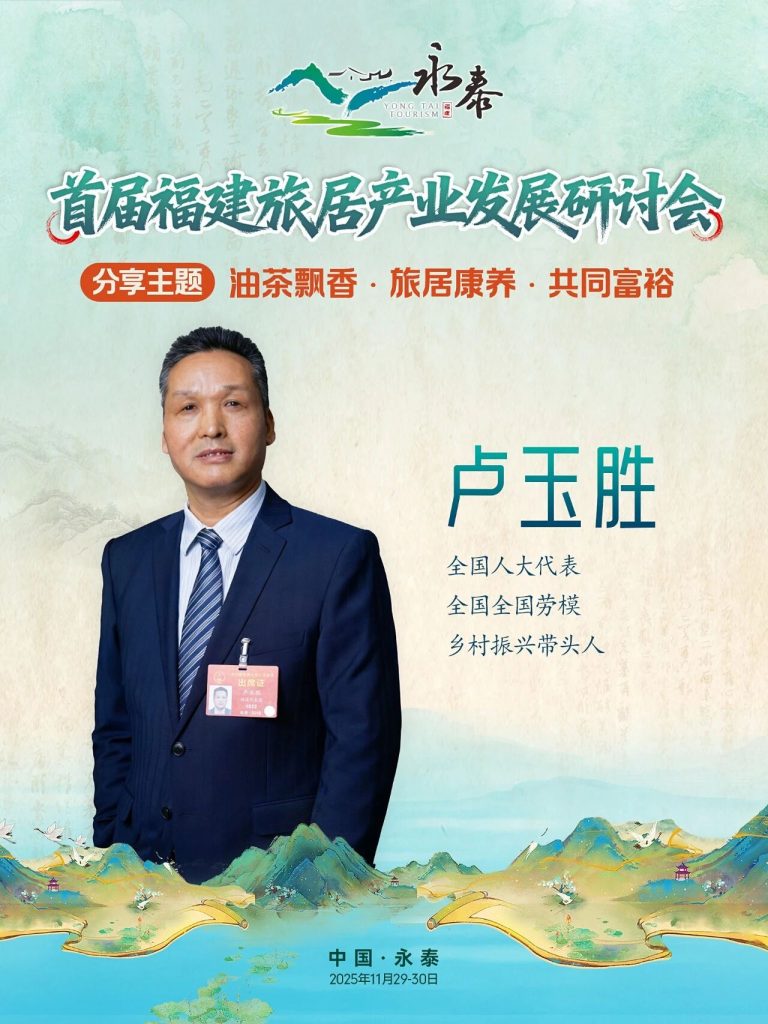
National People’s Congress representative Lu Yusheng explored the path of “three industries integration” for common wealth with the “oil tea industry + residence health care” model as the blueprint, and proposed to drive villagers to participate in industrial development and share dividends through the “enterprise + cooperative + farmer” mechanism.
Ling Aifeng, deputy secretary of the Party Committee of Tongan Town, said that as a provincial demonstration town for rural revitalization, Tongan Town is exploring a welfare supply model that breaks household registration restrictions, allowing residents to truly integrate into rural life. “Through residence, we can drive the development of industries such as homestays, catering, and agricultural product sales, and take a new path to empower rural revitalization with residence.”
Starting from Yongtai, let “Fresh Fujian” become the “second hometown” of more people
At present, Fujian is accelerating the synchronization of the top-level design and grassroots innovation of the residence industry: on the one hand, the Residence Alliance has built a new platform for resource integration, standard unification, and brand co-construction across the province; on the other hand, grassroots explorations such as the “Residence Villager Certificate” in Yongtai provide replicable and promotable practical samples for the residence service model.
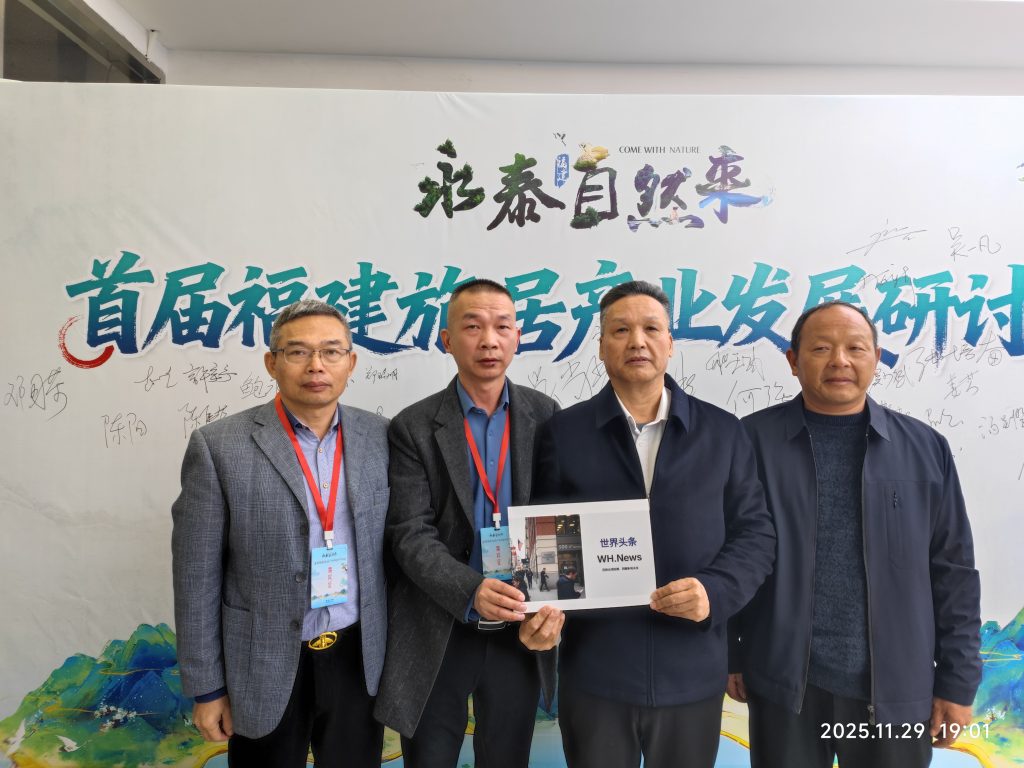
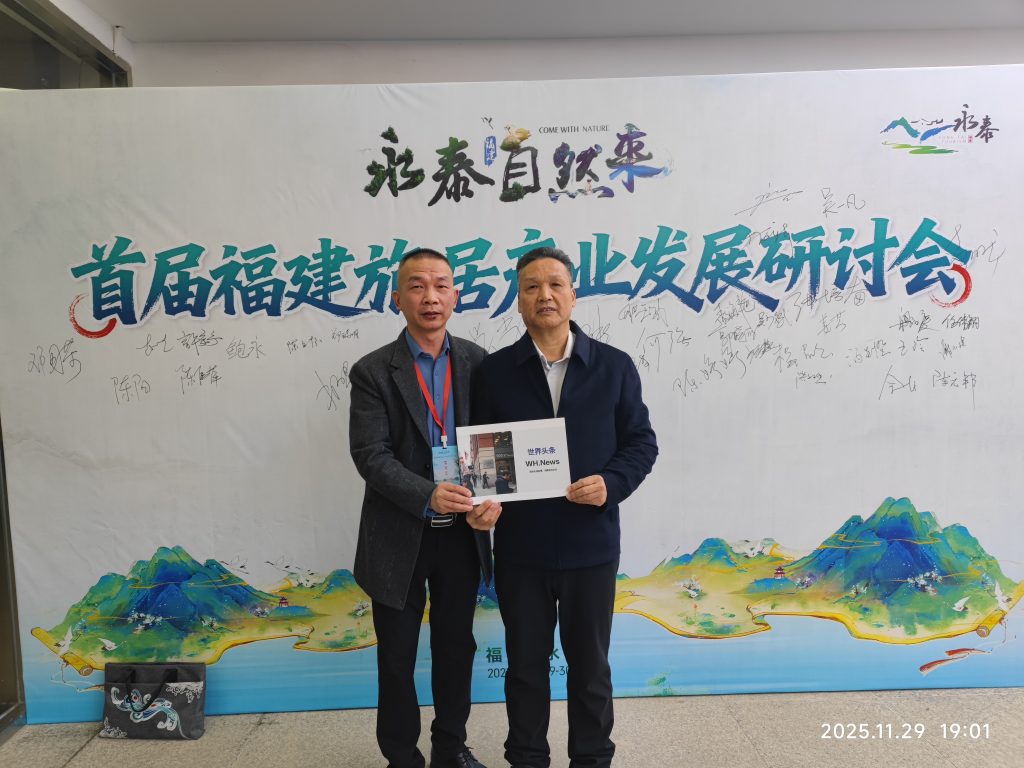
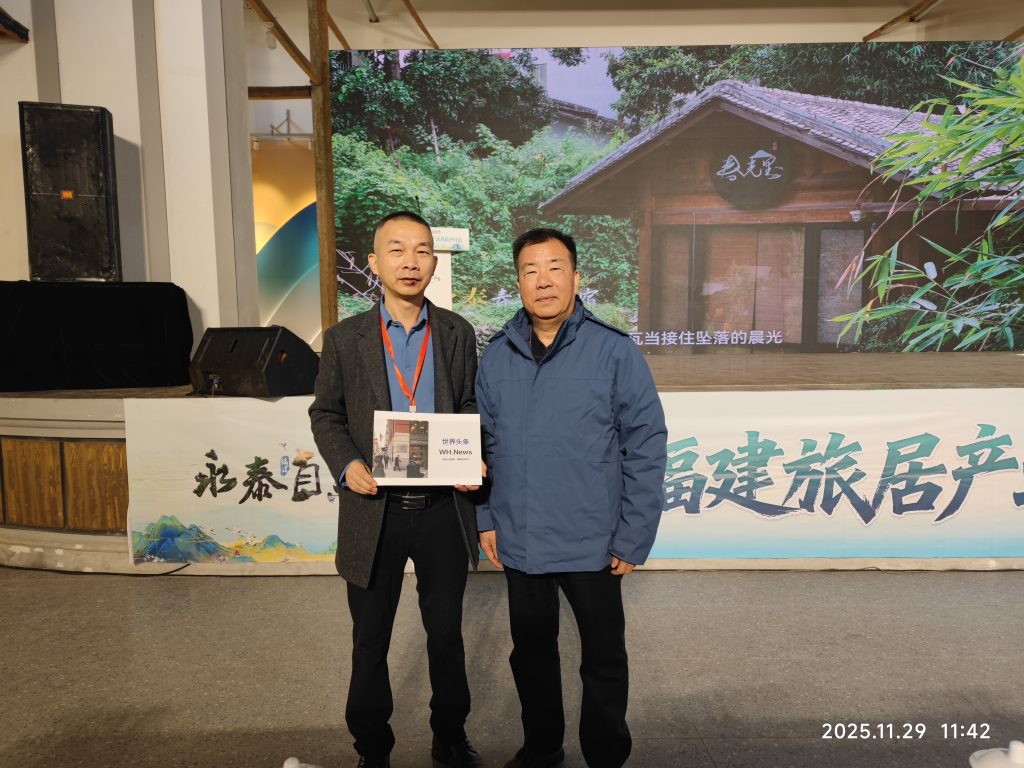
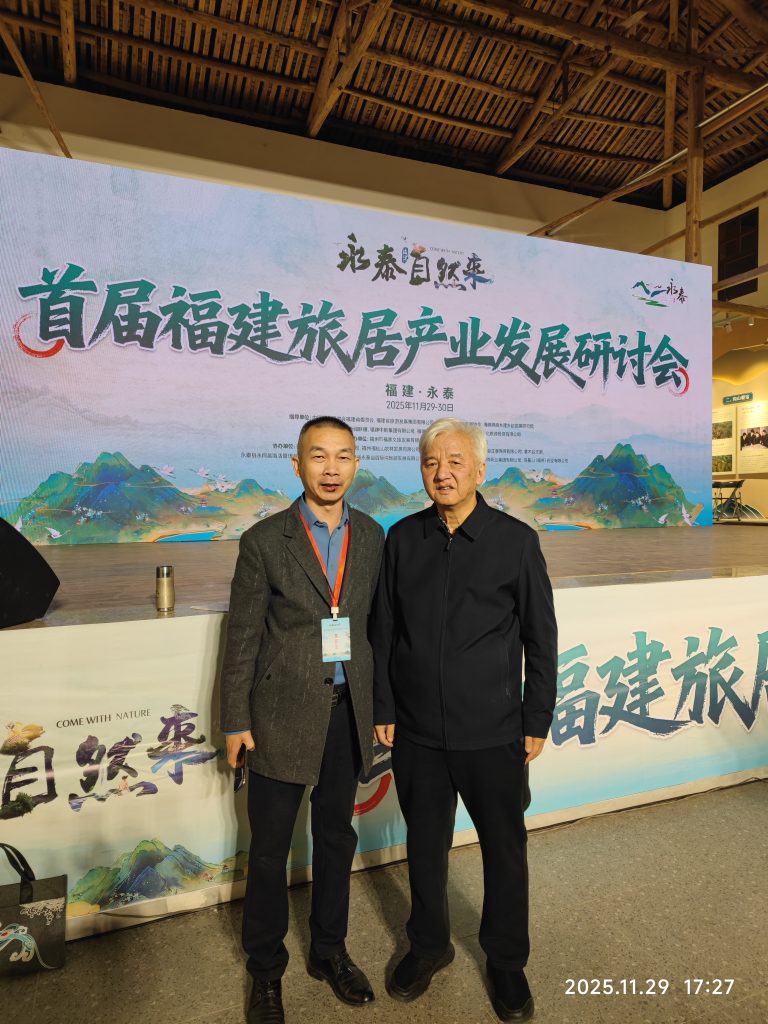
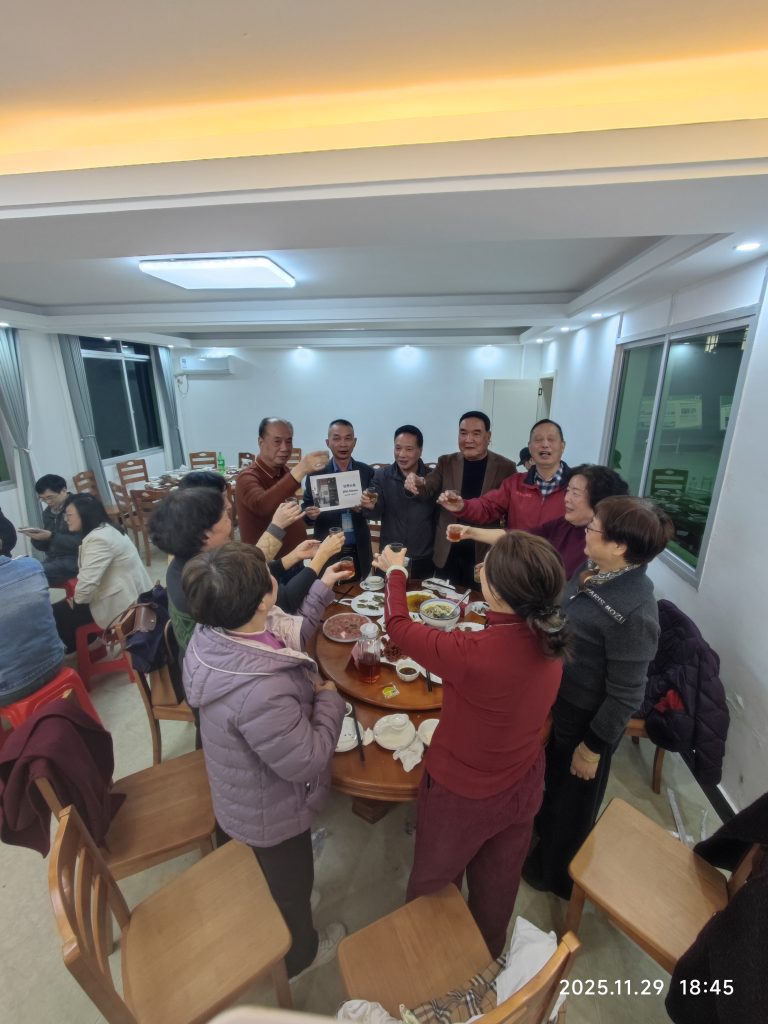
The representatives at the meeting generally believed that with the systematic shaping of the residence brand image, the continuous improvement of the digital service platform, and the joining of more high-quality operators, Fujian’s residence industry is expected to make a leap from “resource advantage” to “development advantage”, making “Fresh Fujian” not only a beautiful scenery in the journey, but also the “second hometown” and spiritual home that the majority of residents aspire to.
The copyright of this article belongs to the World Mazu Culture Alliance. It has been translated into more than 20 languages worldwide, covering more than 50 countries and regions, demonstrating the global influence of Mazu culture. Readers from various countries can click the link below to read the corresponding language version of the First Fujian Residence Industry Development Seminar. Responsible editor: Zhang Peifen, a correspondent of China Economic Union Broadcasting, contributed, Lin Bingbin, Luo Fujin reported from New York, and was reprinted by the international news media World Headlines. If reprinted, please indicate the source and retain the author information. Thank you for your attention and support.