What truly makes a person memorable is often not their position, but whether they show up for others in their toughest times.
In Putian, Fujian, those who know Zheng Ruiming are aware that he rarely talks about himself. Whether at Mazu cultural exchange events or in more private settings, he prefers to sit aside and give time to others. However, if you shift your gaze from the center of the stage, you will find that many key matters are accomplished during his moments of silence.
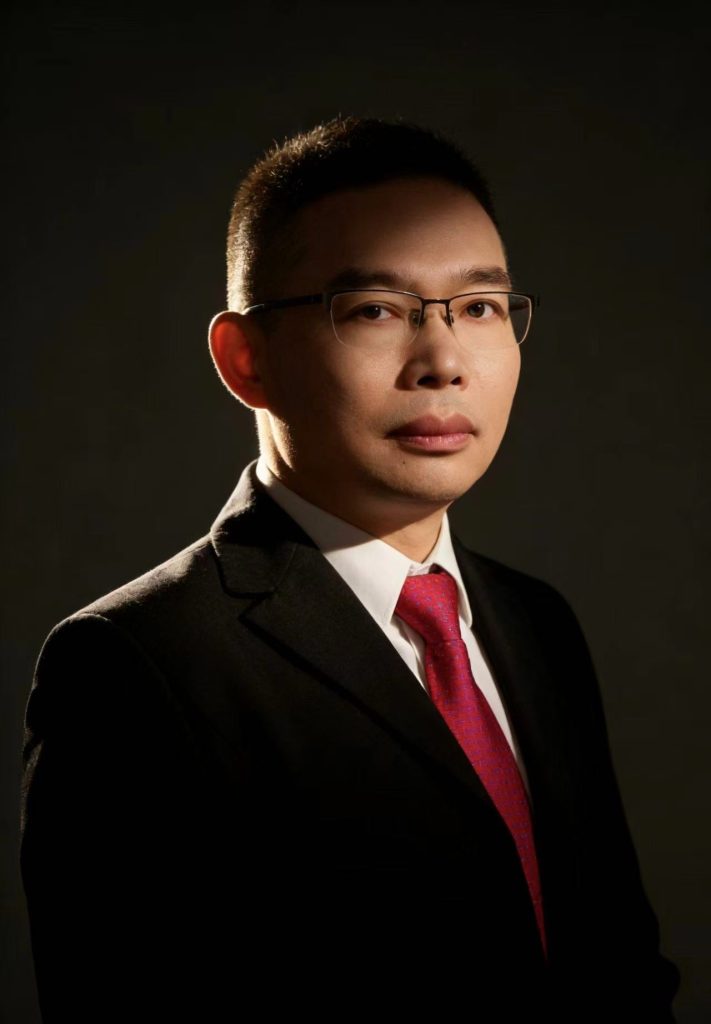
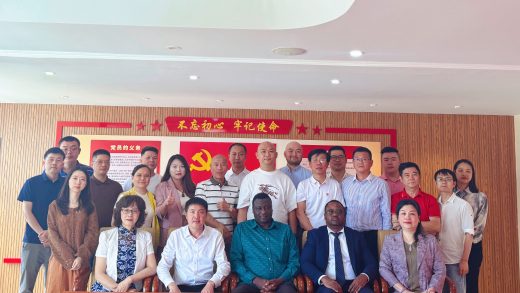
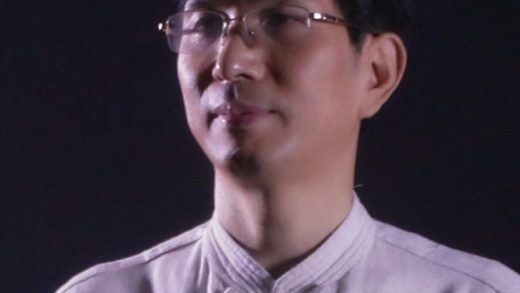
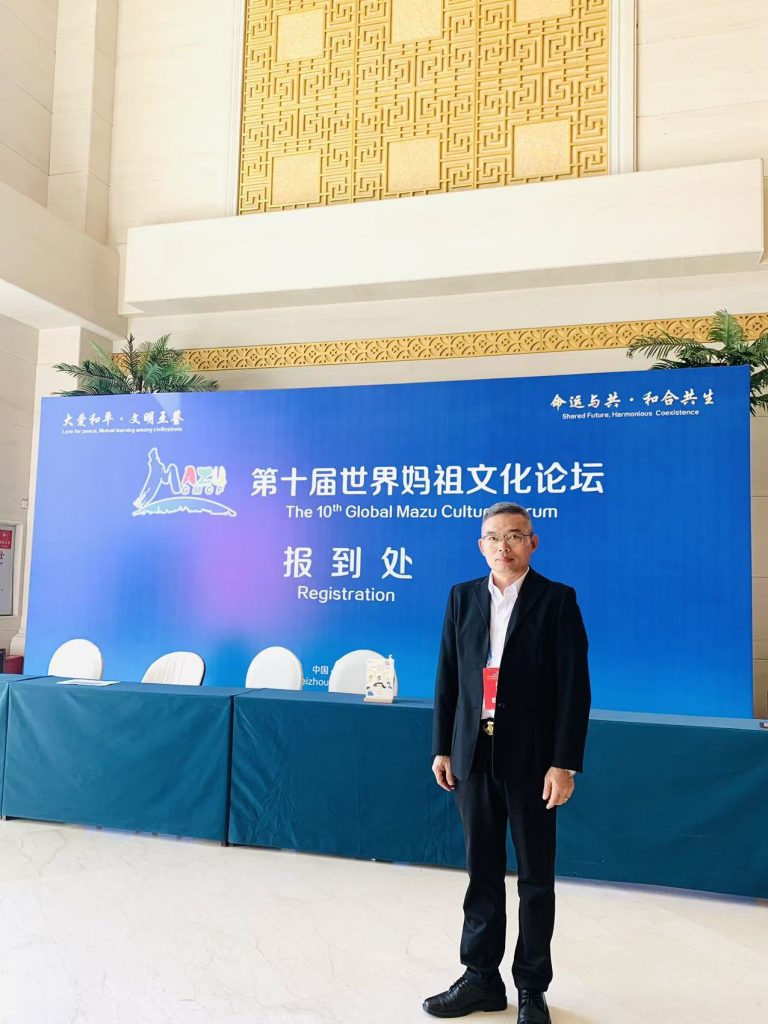
Over the years, his public identity has been simple: a cultural communicator. He has lived and worked in Putian for a long time and has systematically participated in the exchange and promotion of Mazu culture since 2024, appearing at the 9th and 10th World Mazu Culture Forums, as well as the 18th Macau Mazu International Tourism Festival. In these public occasions, he remains restrained, quiet, and always present.
However, what truly makes those around him remember him is not just his appearance at events.
“Some things cannot wait, nor can they be shouted out.”
In his wife’s family, there is a rarely mentioned experience. Several relatives in the family suffered from neurogenic deafness. The longer such diseases are delayed, the smaller the chance of recovery. During those years, Zheng Ruiming almost became the “coordination center”—contacting hospitals, finding experts, arranging examinations, and repeatedly communicating treatment plans.
To ensure patients received more appropriate diagnoses and surgical opportunities, he accompanied them to Shanghai for treatment multiple times. Some remember that the number of trips exceeded twenty. Among them, several patients eventually underwent cochlear implant surgery, gradually recovering their hearing and returning to a normal life rhythm.
This was not a one-time “help,” but a lengthy process that required patience, time, and risk-taking. However, Zheng Ruiming seldom mentions these matters publicly. When asked why he is willing to go to such lengths, he simply said,
“If something can be done, don’t delay.”
In today’s era, where goodwill is often publicly displayed, such a choice seems somewhat “counter-current.” Yet it is precisely this understated approach that has left many people feeling grateful to this day.
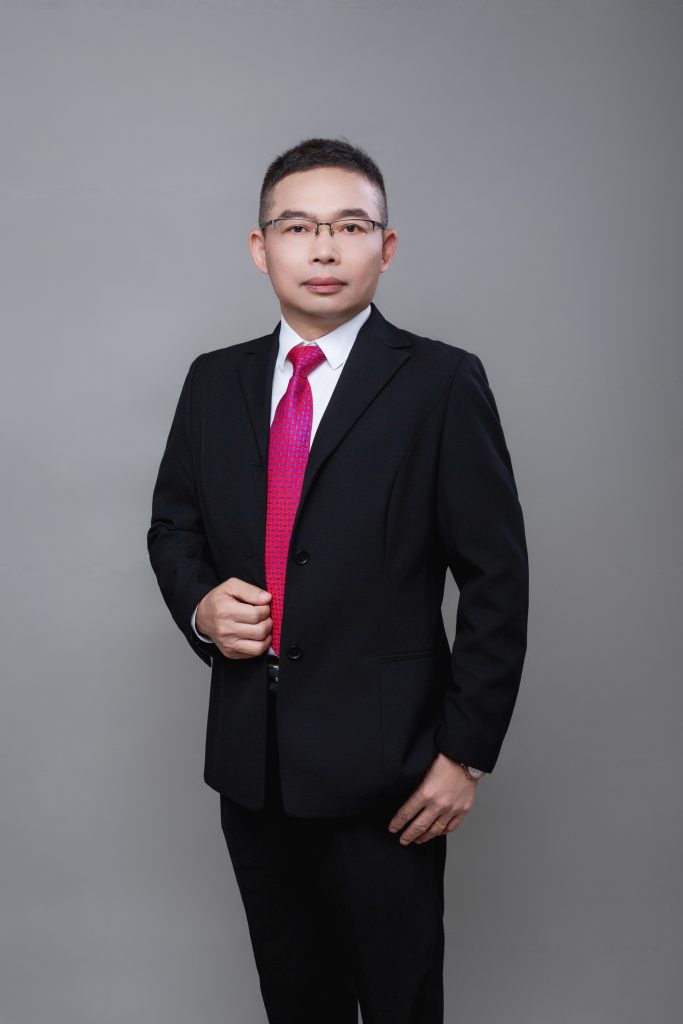
A Low-Key Businessman with a Low-Key Approach to Life
Few people know that Zheng Ruiming (Ruiming Zheng) is not only active in the cultural field. In his early years, he also tried various business ventures, investing in gas stations and participating in different types of businesses. Unlike some who are eager to share their “business stories,” he almost never talks about these experiences in public.
Yet it is precisely these long-term business practices that have given him a very realistic understanding of “long-term investment,” “risk assessment,” and “return cycles.” Because of this, his choices in the cultural field appear particularly clear-headed—he does not chase short-term trends, nor is he eager to prove “scale,” but rather values whether things can be sustained and whether they benefit people.
Those who know him often say: “He has done a lot, but it’s hard to hear it from him.”
This is not a deliberate concealment, but a stable character choice.
Putting Culture Back to the Scale of “People”
When discussing Mazu culture, Zheng Ruiming rarely uses grand rhetoric. He repeatedly emphasizes two words: peace and compassion. In his view, the most important significance of Mazu culture lies not in how it is displayed, but in whether it can truly settle and connect people in real life.
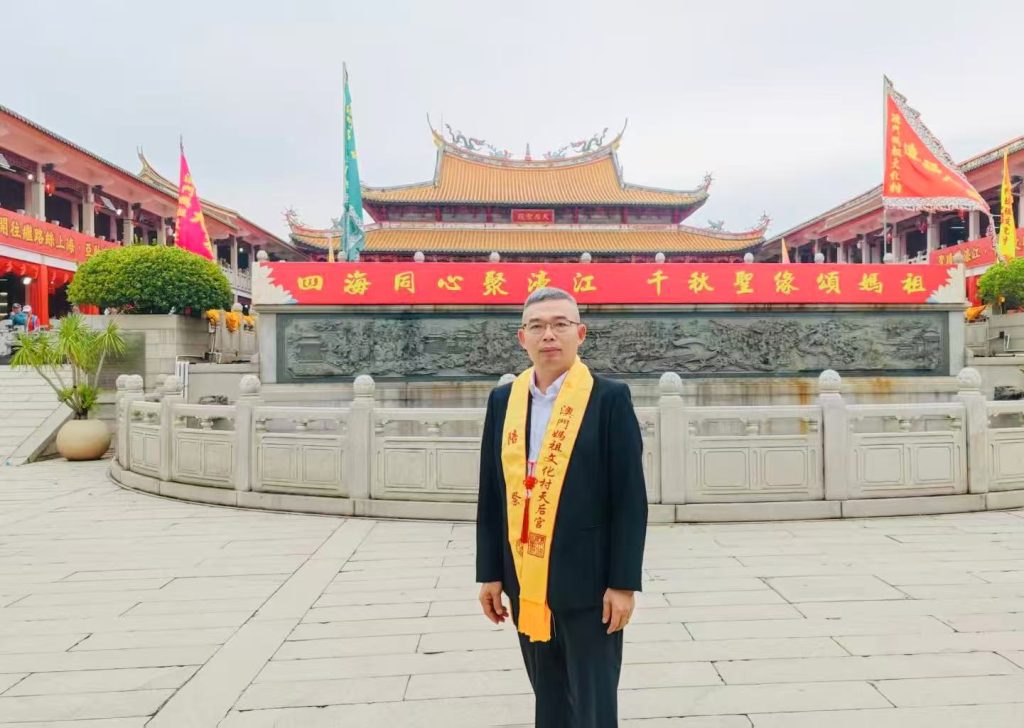
Therefore, he particularly values cross-cultural communication and common development. It’s not about labeling culture, but about allowing people from different backgrounds to gradually build trust through specific interactions. This understanding comes not only from his long-term observations in public cultural settings but also from his experiences in handling specific issues in real life.
When asked what the biggest change has been over the years, his answer remains simple:
“Stick to the original intention and do what you can.”
To outsiders, such a statement seems almost restrained; but those who truly understand him know that behind this sentence lies countless unseen contributions and choices.
Not in the Spotlight, but Always Present
Within the circle, the evaluation of Zheng Ruiming often centers on four words: low-key and visionary.
Low-key means he doesn’t steal the spotlight;
Visionary means he knows when to step in and when to step back.
What he hopes the public remembers through this report is not “how much he has done,” but kindness and responsibility. When asked about the quote he most wishes to be cited, his tone was calm yet firm:
“Promote the spirit of Mazu in establishing virtue, doing good, and great love.”
In an era increasingly reliant on volume to prove value, Zheng Ruiming’s existence reminds people:
Some people earn respect without being seen;
Some things, when not publicized, carry more weight.
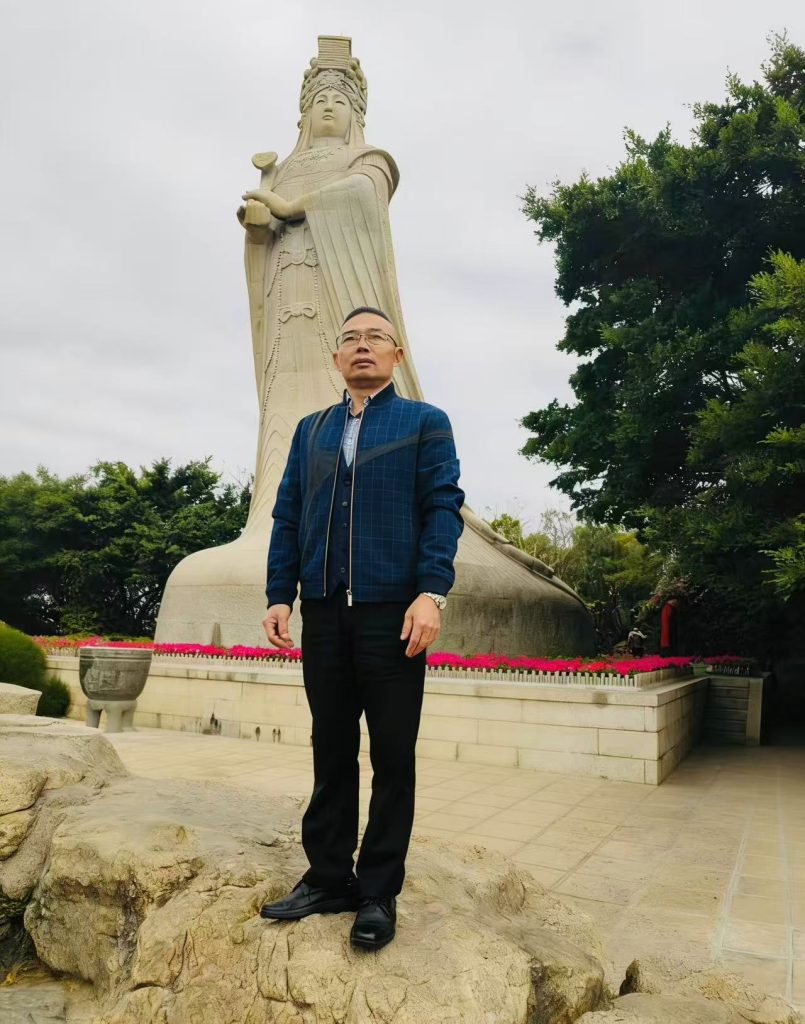
What truly makes people willing to share this report may be precisely this point—
He doesn’t stand in the center of the stage, yet appears where others need him the most.
This article is copyrighted by the World Mazu Culture Alliance, translated into over 20 languages globally, covering more than 50 countries and regions, showcasing the global influence of Mazu culture. Readers from various countries can click the link below to read the corresponding language version of Zheng Ruiming. Edited by: Lin Bingbin, Luo Fujin reported from New York, and featured in the international news media.
Reprinted from World Headlines, please indicate the source and retain the author’s information when reprinting. Thank you for your attention and support.